Table of Contents
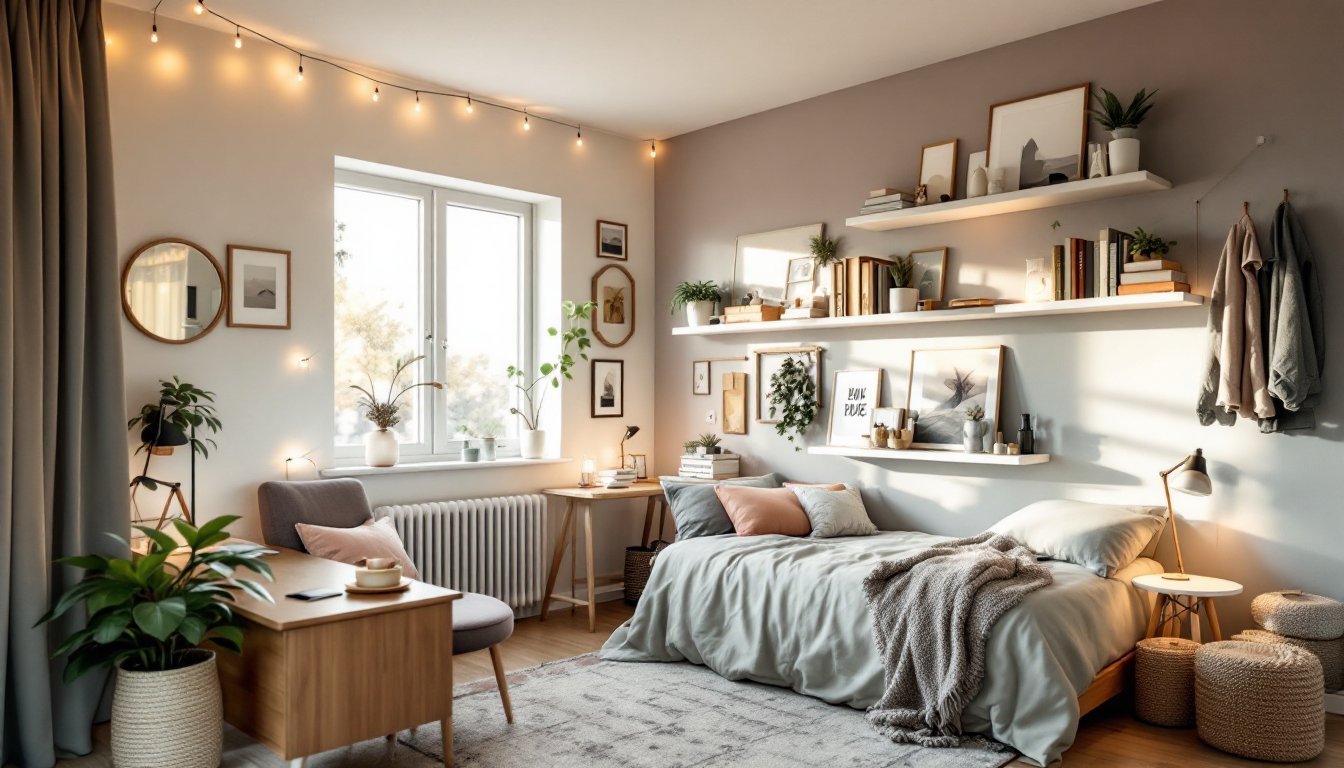
ToggleDesigning a teen bedroom isn’t about cramming in every cute accessory or following a single aesthetic. It’s about creating a space that reflects personality while serving real-world needs: assignments, hobbies, sleep, and the occasional friend hangout. A well-designed teen bedroom strikes that balance between style and function, giving adolescents room to express themselves without the space becoming cluttered or impractical. Whether working with a small room or a sprawling suite, these adorable teen bedroom ideas focus on solutions that grow with your teen, blend visual appeal with smart storage, and make the space genuinely livable, not just Instagram-worthy.
Key Takeaways
- Cute teen bedroom ideas work best when they balance style with function, incorporating smart storage and practical layouts that grow with your teen’s changing interests.
- Soft pastels, neutral tones, and moody accent colors create flexible backdrops that allow accessories and textiles to shine without committing to trends that feel dated quickly.
- Vertical shelving, under-bed storage, floating shelves, and wall pegs maximize space efficiently, keeping clutter manageable in both small and large rooms.
- Layered lighting with bedside lamps, desk lights, and ambient options like string lights transforms the bedroom from a functional space into a cozy, inviting retreat.
- Personalization through removable wall art, plants, and rotating seasonal decorations lets teens express themselves while maintaining flexibility for future redesigns without permanent changes.
Color Palettes That Make a Statement
Soft Pastels and Neutral Tones
Soft pastels remain a go-to for teen bedrooms because they’re soothing, versatile, and won’t feel dated in a year. Think blush pink, sage green, lavender, or powder blue on walls paired with cream or white accents. The key is choosing colors that work with existing furniture and aren’t so pale they disappear. A single accent wall in a slightly deeper shade, say, dusty mauve or soft gray-blue, adds visual interest without overwhelming the space.
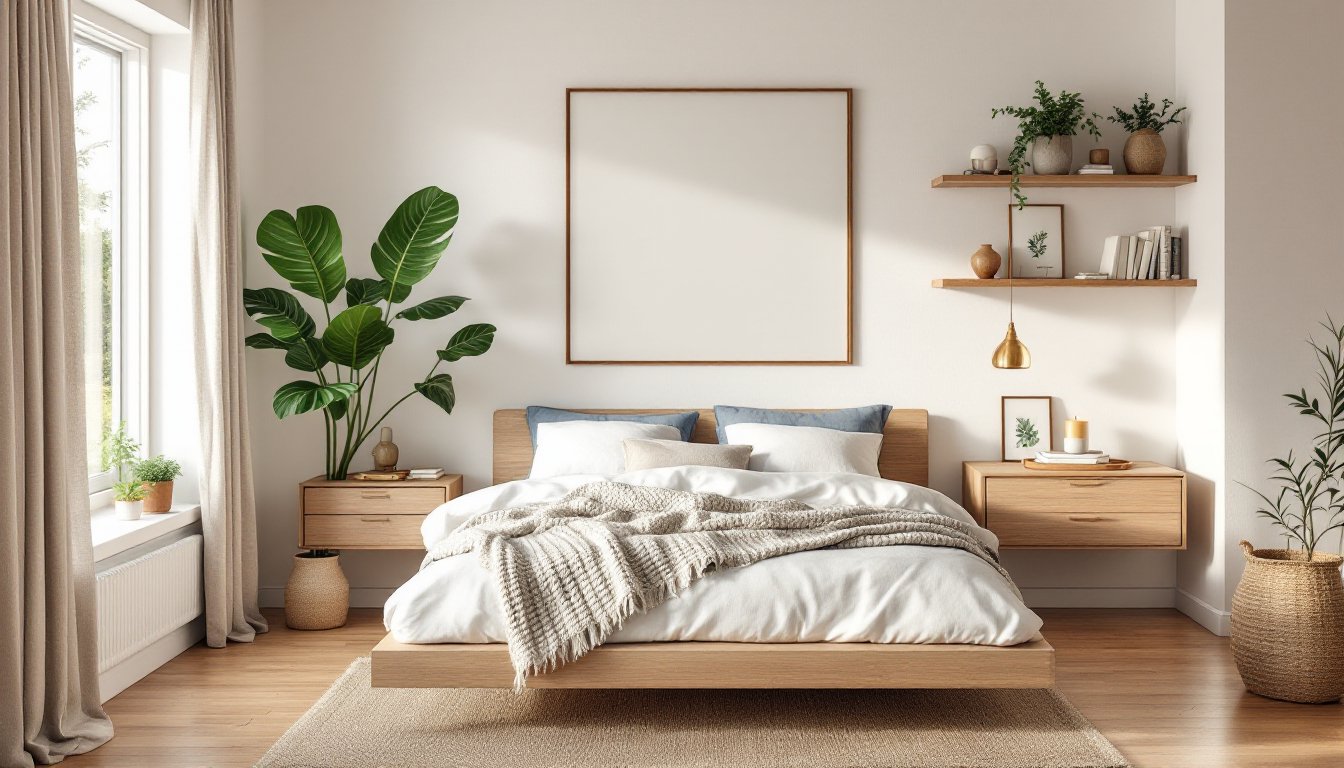
Neutral tones like warm whites, soft grays, and beiges create a calm backdrop that lets accessories and textiles shine. This approach works especially well if your teen’s interests shift frequently: you can swap throw pillows, artwork, and rugs without repainting. Avoid harsh whites or cold grays that feel sterile. Warm off-whites (think “eggshell” or “cream”) feel more inviting and forgiving of dust and fingerprints.
Bold Accent Colors and Moody Vibes
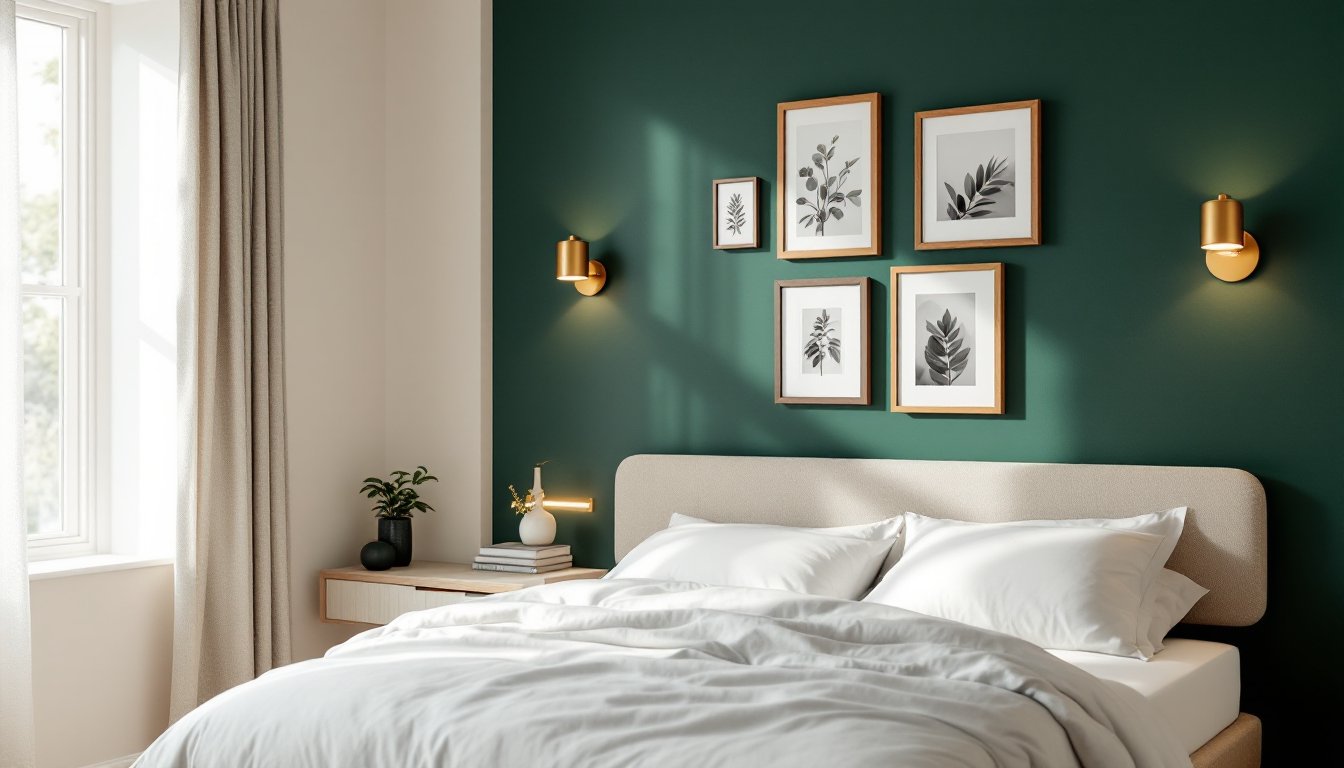
For teens who want personality upfront, bold accent colors deliver impact. Deep teals, forest greens, charcoal, or even warm terracotta can define a wall or built-in shelving unit without committing the entire room to an intense shade. A paint tutorial from Young House Love shows how two-tone accent walls or color-blocked designs create modern visual depth while keeping the overall vibe calm.
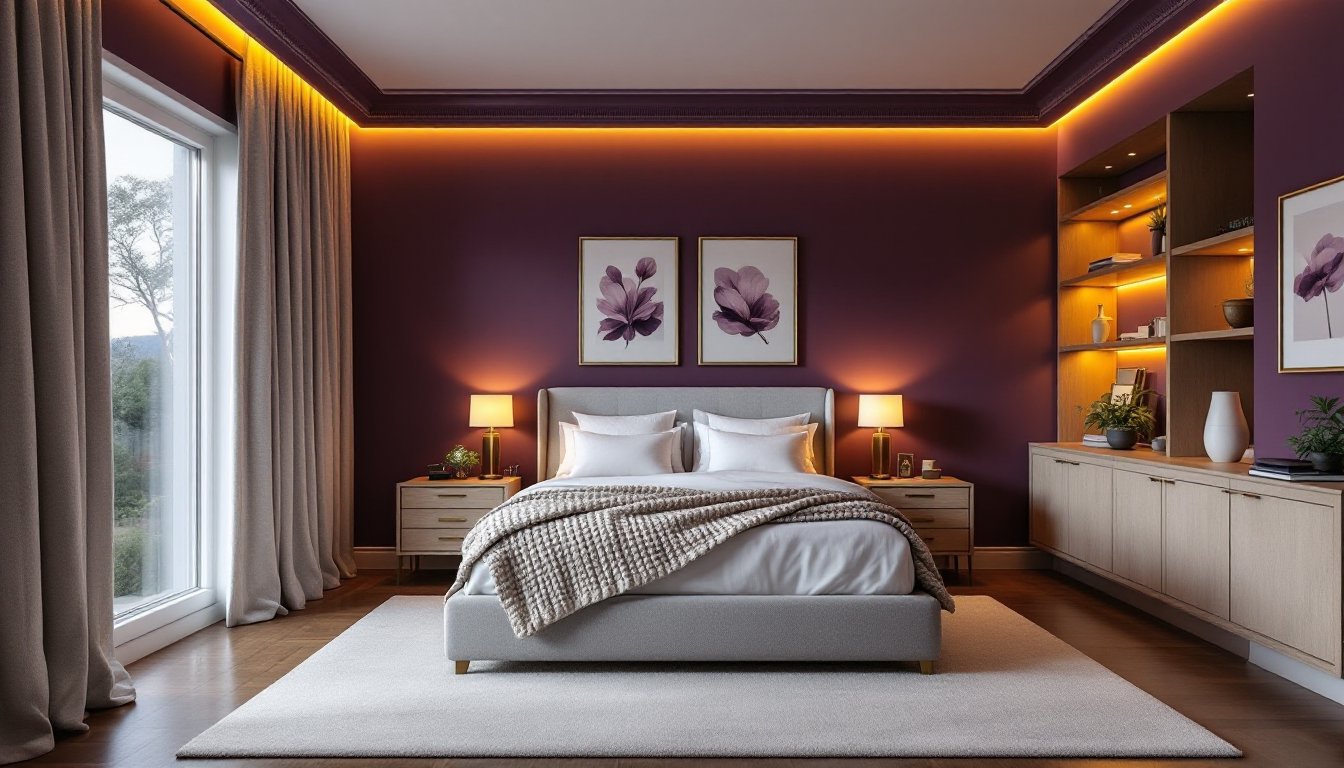
Moddy vibes, darker, moodier palettes, appeal to many older teens. Navy, deep purple, or charcoal paired with gold, brass, or copper accents feel sophisticated and cozy. Keep moody colors on accent walls or built-ins: painting an entire small room in dark tones can make it feel cramped. Balance dark walls with plenty of lighter textiles, artwork with breathing room, and sufficient lighting to prevent the space from feeling dim or cave-like.
Smart Storage Solutions That Maximize Space
Storage is non-negotiable in a teen bedroom. Clothes, books, school supplies, hobby materials, and that ever-growing collection of… everything… demand smart solutions. Under-bed storage containers in matching colors or styles keep seasonal items and extra bedding out of sight but accessible. Drawers on wheels make pulling them out effortless.
Vertical shelving maximizes wall space, especially in compact rooms. Open shelving displays curated items, books, plants, decorative boxes, while closed shelving hides the chaos. Floating shelves above a desk or dresser add storage without taking up floor real estate. A tall, narrow bookcase in a corner doesn’t dominate the room visually but holds far more than you’d expect.
Pegs and hooks on walls are underrated. They’re functional, customizable, and encourage teens to keep items visible rather than heaped on the floor. Use them for bags, headphones, scarves, or a jewelry organizer. Over-the-door organizers (fabric pocket styles or metal racks) add storage behind the bedroom or closet door without new wall holes.
Built-in units, shelves surrounding a window, a bench seat with storage below, or cubbies at desk height, solve storage permanently if renovating is an option. For renters or temporary solutions, modular storage systems stack and configure flexibly. The goal is providing enough storage so mess stays manageable without requiring constant organization marathons.
Furniture Arrangements for Efficient Layouts
Layout matters more than most realize. A bed taking up half the room with nothing else fitting comfortably creates frustration. In contrast, a well-arranged layout makes the space feel larger and more functional.
Place the bed against the largest wall, ideally not directly facing the door (it’s a psychological comfort thing and also allows for a work/seating area). This setup opens the room and lets other furniture breathe. If the room is tight, consider a loft bed with a desk underneath: this arrangement stacks sleeping and working zones vertically, freeing floor space for movement or hanging out.
The desk should have good natural light from a window if possible, or position it to avoid screen glare. Angle the desk away from the bed so sleep space and work space are visually separated, helping the teen’s brain shift between modes. A desk against a wall is space-smart, though some teens prefer an island desk facing the room for a social feel.
Keep sightlines clear. Avoid pushing every piece of furniture against walls, a few inches away from a wall can actually make a room feel more intentional and spacious. Use rugs to define zones: a small rug under the bed anchors the sleeping area, while a rug under or in front of the desk defines the work zone. This visual separation helps organize the space mentally, too.
Lighting and Textiles: Creating Warmth and Comfort
Harsh overhead lighting is the enemy of a cozy teen bedroom. Layers of lighting, ambient, task, and accent, let your teen adjust the vibe depending on mood and activity. A dimmer switch on overhead lights (if you can install one) gives flexibility. Bedside lamps provide localized light for reading and create a softer ambiance in the evenings.
Desk lamps should have enough brightness for assignments without glare on screens. LED bulbs in warm white (2700K) feel more inviting than cool white, though some teens prefer brighter neutral white (4000K) for focused work. String lights, fairy lights, or neon accents add personality and warmth: a bedroom design tip from Apartment Therapy highlights how layered lighting transforms a plain room into an inviting retreat.
Textiles, bedding, throw pillows, curtains, rugs, inject color, pattern, and comfort affordably. A quality, soft comforter or duvet in a neutral color anchors the bed while allowing easy seasonal swaps with throw pillows or quilts. Curtains or blackout shades serve double duty: they control light (critical for sleep) and add texture or pattern. A chunky knit throw over a chair or bed adds coziness and warmth.
Layering patterns requires restraint. Mix one bold print (striped pillows, a patterned rug) with solid neutrals to avoid visual chaos. Textures matter as much as colors: linen, cotton, wool, and velvet feel different and add tactile interest. Soft, quality textiles signal that the space is meant for rest and comfort, not just decoration.
Personalization Through Wall Décor and Accessories
Personalizing the room is where personality shines. Wall art, posters, and photographs reflect interests without committing to permanent paint changes. A gallery wall mixing framed photos, prints, and small shelves creates a focal point and tells the story of what matters to your teen.
Command hooks and adhesive strips let teens hang items without wall damage, critical in rentals or for parents who want to reclaim the space later. Fabric wall hangings (tapestries or quilts) add color and softness while being removable. Cork or magnetic boards near the desk keep inspiration, reminders, and mementos visible and organized.
Live plants bring life and oxygen to a room. Easy growers like pothos, snake plants, or ZZ plants thrive in varying light and don’t demand daily attention, perfect for teens new to plant care. A decorating project from Addicted 2 Decorating explores how plants and natural elements soften modern teen spaces.
Accessories are the personality layer. A vintage mirror, a meaningful rug, a quirky lamp, or collectibles displayed on shelves reflect who your teen is. Encourage rotating displays: seasonal decorations, mood boards, or rotating artwork keep the space fresh without a major overhaul. The goal is a room that feels intentional and personal, not generic or over-styled.