Table of Contents
ToggleYour bedroom should feel like an extension of who you are, a retreat that reflects your personality while supporting rest and functionality. Whether you’re starting from scratch or refreshing an existing space, choosing the right bedroom aesthetic sets the tone for everything that follows: furniture selection, color palettes, and decor choices. This guide walks you through seven distinct bedroom aesthetics, each with practical steps to bring them to life. From minimalist serenity to moody maximalism, you’ll find the design direction that clicks with your lifestyle and budget.
Key Takeaways
- A bedroom aesthetic should reflect your personality while supporting rest and functionality—choose between minimalist serenity, bohemian vibes, Scandinavian simplicity, moody maximalism, coastal calm, or modern luxury based on your lifestyle.
- Bedroom ideas for aesthetic appeal start with color palettes and foundational choices: neutrals and light finishes for minimalist and Scandinavian styles, rich jewel tones for moody maximalism, and warm earth tones for bohemian designs.
- Invest first in a quality bed frame and bedding, then prioritize paint and wall finishes—these elements anchor your aesthetic before adding furniture and decor.
- Layer textures and lighting thoughtfully across all bedroom aesthetics: combining soft linen, wood, wool, and metal creates depth, while warm dimmable lighting maintains coziness regardless of design style.
- Assess your room’s natural light, architecture, and budget before committing—start with small changes like an accent wall or new bedding to test your chosen aesthetic before a full renovation.
Minimalist Serenity: Clean Lines and Calm Spaces
Minimalist bedrooms strip away excess to reveal purpose. You’ll focus on essential furniture, a bed frame, nightstands, and perhaps one accent piece, arranged to maximize floor space and reduce visual clutter. The goal isn’t emptiness: it’s intentionality.
Start with a neutral base: whites, soft grays, or warm beiges on walls and larger surfaces. Keep window treatments simple (sheer linen curtains work well), and stick to one accent color if you want personality. For flooring, polished concrete, light oak, or pale tile emphasize the clean aesthetic.
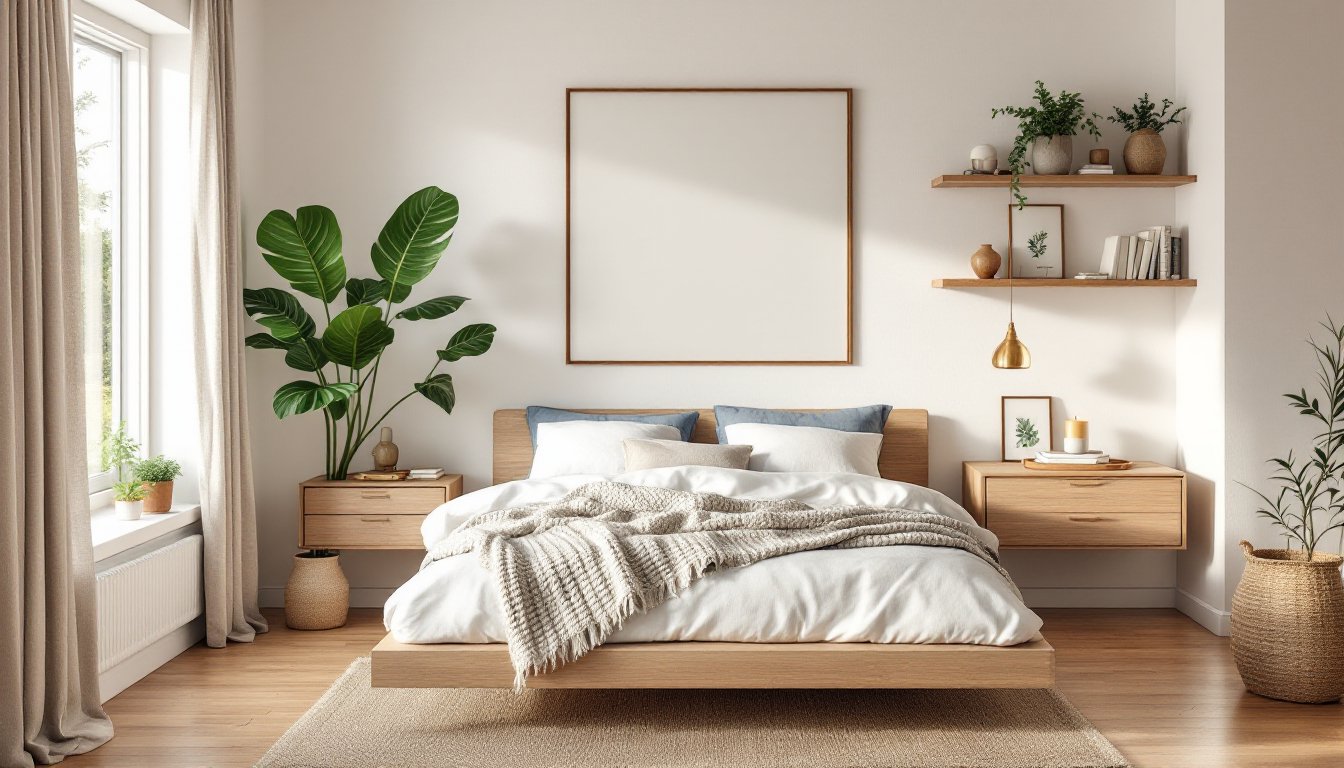
Furniture should feature straight lines and minimal ornamentation. A low-profile platform bed (no frame skirt, no headboard flair) anchors the room. Floating nightstands save visual weight. Invest in built-in storage, wall-mounted shelves or a sleek closet system, to keep belongings hidden. Decor is selective: one or two quality pieces (a small plant, a framed print, a ceramic object) rather than a crowded shelf.
Paint choices matter here. Matte finishes on walls reduce shine and create a calming surface. Primer is essential for smooth, even coverage: one gallon covers roughly 350 square feet, so measure your walls before buying. Proper surface prep, filling holes, sanding, and cleaning, takes time but transforms the final result.
Bohemian Vibes: Layered Textures and Eclectic Decor
Bohemian bedrooms celebrate color, pattern, and collected treasures. This aesthetic thrives on mixing vintage finds, handmade textiles, and natural materials without rigid symmetry.
Begin with a warm, earthy color story: terracotta, mustard, rust, soft greens, and burnt orange work well together. Paint an accent wall with a warm tone to anchor the space, or leave walls neutral and let textiles dominate. Wallpaper with geometric or botanical prints adds character: expect to pay $15–30 per roll depending on quality.
Textiles are where boho truly shines. Layer bedding: a patterned duvet, throw blankets in contrasting weaves (macramé, linen, wool), and an abundance of pillows in mixed fabrics. Add a woven wall hanging, a vintage rug, and sheer fabric draped from the ceiling for softness. Thrift stores and online marketplaces offer inexpensive vintage pieces that feel authentic.
Furniture can be mismatched and still feel cohesive. A carved wooden bed frame, a rattan side table, a low bookshelf stacked with books and trinkets, these tell a story. Hang string lights or lanterns for ambient lighting. Fill corners with plants (pothos, monstera, or snake plants are hardy) to bring in living greenery.
The key to boho is restraint within abundance: purposeful layering rather than chaotic piling. Every piece should have visual interest or sentimental value.
Scandinavian Simplicity: Functionality Meets Warmth
Scandinavian design balances minimalism with coziness, light, airy rooms that don’t feel cold or impersonal. This aesthetic dominates modern home decor trends and works well in any climate.
Color palette: whites, soft grays, pale blues, and warm wood tones create a foundation. Walls are usually white or off-white to maximize light reflection. Wood elements, whether real hardwood flooring or furniture, bring natural warmth. A light oak or birch bed frame feels authentic to the style.
Functionality is paramount. Every piece serves a purpose without excess. Storage solutions are built-in or concealed, drawers under the bed, wall-mounted cabinets, or a lean wardrobe instead of a bulky dresser. Textiles add comfort: soft linen bedding, a chunky knit throw, and wool area rugs in neutral tones. Layering textures (smooth wood, soft linen, rough wool) creates depth.
Lighting is central. Natural light is prioritized: use light, unobstructed window treatments. Add layered artificial lighting: a simple pendant fixture, bedside lamps with warm bulbs, and perhaps string lights for ambient warmth. Scandinavian design values handcrafted, artisanal pieces, a ceramic lamp, hand-woven basket, or carved wooden shelf elevates the space affordably.
Decor is spare but intentional. A single piece of art, a small plant, a candle, and a stack of books create visual interest without clutter. The result feels curated and restful.
Moody Maximalism: Deep Colors and Bold Statement Pieces
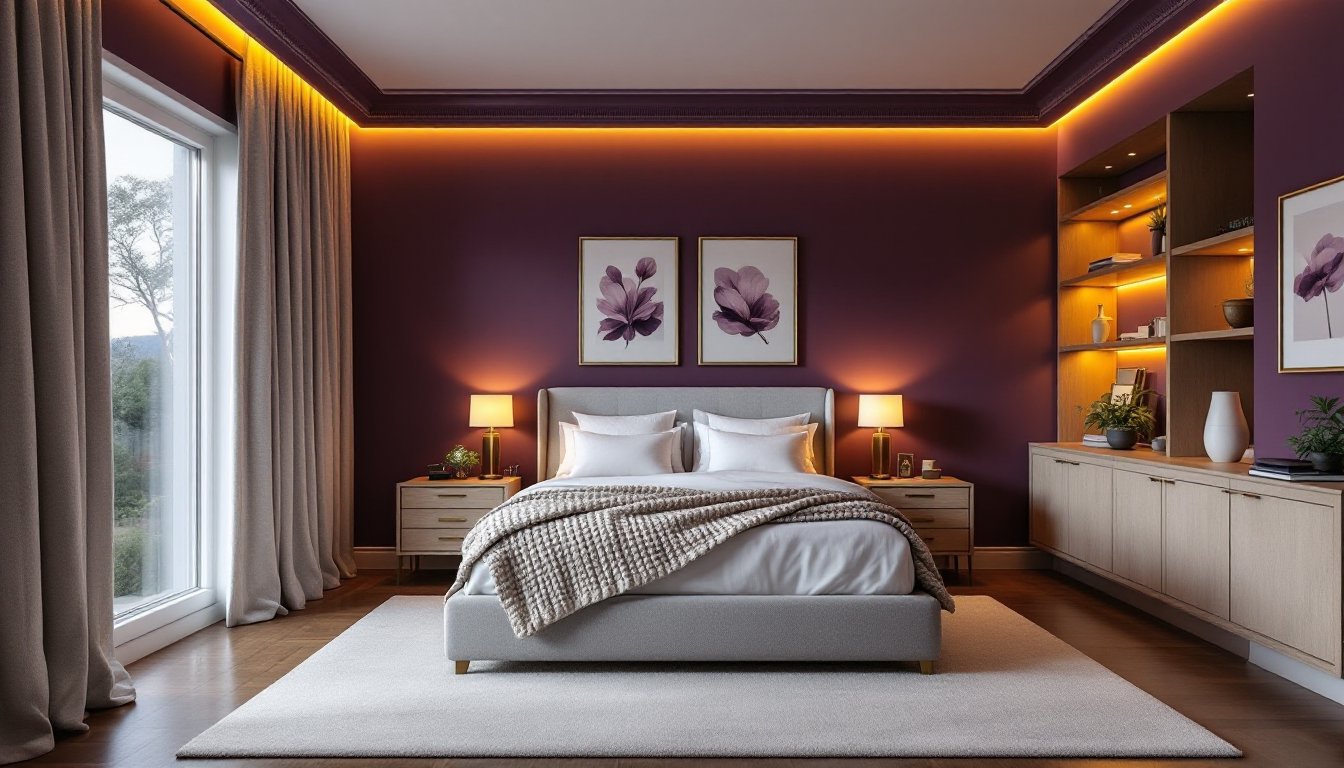
Moody maximalism embraces rich, saturated colors and layered visual complexity. Think deep emerald, navy, charcoal, burgundy, and gold accents. This aesthetic works beautifully in bedrooms because it naturally encourages restful, intimate lighting.
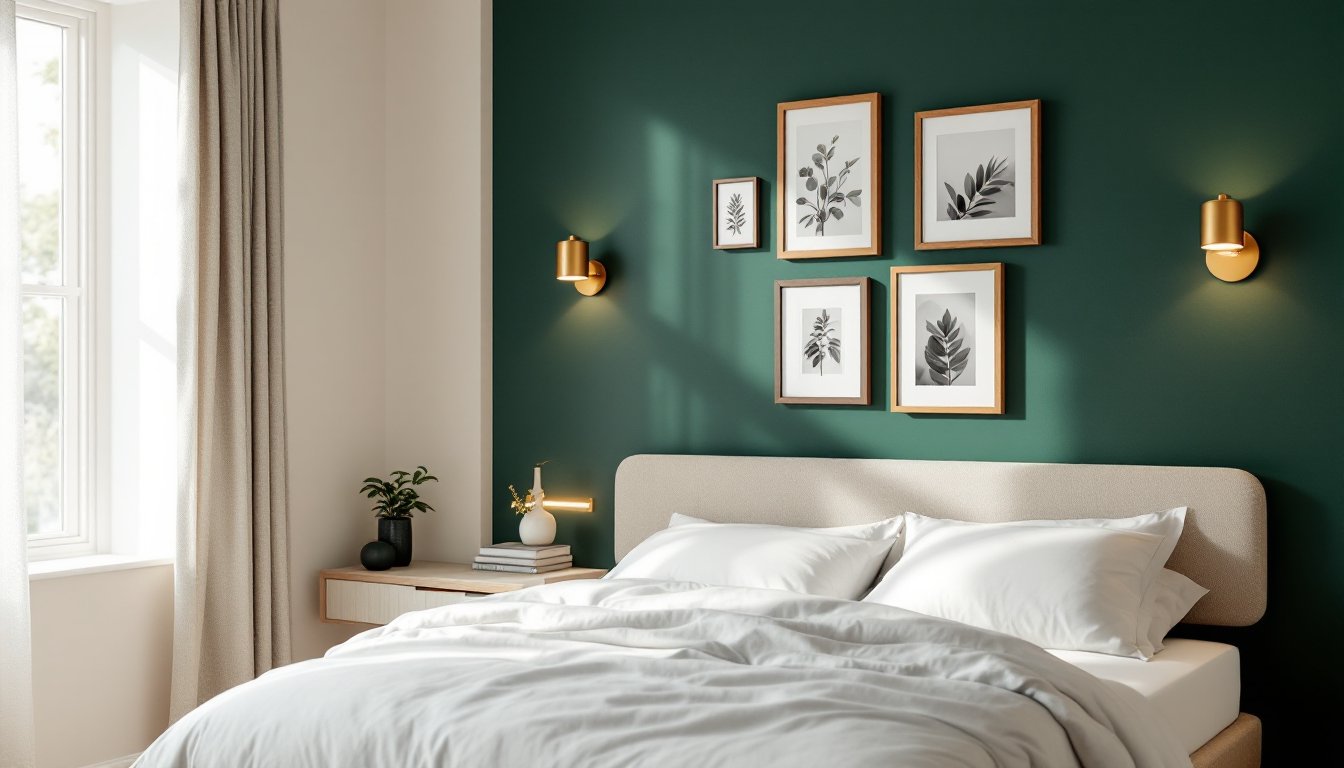
Start with dark-painted walls. Navy or forest green creates drama while remaining grounding. Paint preparation is critical: two coats of primer ensure even coverage, especially over light base colors. A gallon of quality paint covers approximately 350 square feet: dark colors may need extra coats for opacity. Invest in a brush (2–3 inches wide) for trim and corners, cheap brushes leave bristles behind.
Layering is essential. Hang wallpaper with bold patterns over one accent wall, geometric, floral, or art deco designs. Consider removable peel-and-stick options if you’re renting: they cost $20–40 per roll and offer flexibility. Combine patterned elements carefully so they complement rather than compete.
Furniture should be substantial and statement-making. A velvet upholstered headboard, a brass-framed mirror, or a gallery wall with dark wood frames adds richness. Textiles in jewel tones, metallics, and luxe fabrics (velvet, silk, faux fur) layer visual interest. Lighting is warm and focused: brass or gold fixtures, table lamps with fabric shades, and dimmable bulbs for control.
Decor elements, brass candleholders, sculptural objects, framed botanical prints, populate shelves and surfaces. The key is that everything should feel intentional and curated, not cluttered. Moody maximalism celebrates opulence in a thoughtful, cohesive way.
Coastal Calm: Bringing Beachy Tranquility Indoors
Coastal bedrooms evoke beach houses and seaside relaxation through soft, nautical-inspired palettes and natural materials. The goal is serene rather than kitschy, avoid novelty anchor decor and forced “beach house” clichés.
Color foundation: soft whites, sandy beiges, pale blues, sea-glass greens, and warm grays. Paint walls in a calming palette: soft white or pale blue creates an airy backdrop. Incorporate driftwood tones through wooden furniture, a whitewashed bed frame, natural wood nightstands, or reclaimed wood shelving add authenticity without artifice.
Natural materials are essential. Linen bedding in white or soft blue feels coastal. Layer with cotton throws and chunky knit blankets. Jute rugs, woven baskets, and linen curtains reinforce the natural aesthetic. Rope details (around a mirror frame or as a wall hanging) add subtle nautical touch.
Furniture should be light and open. A low bed frame, open shelving, and minimal upholstered pieces prevent the space from feeling heavy. Incorporate weathered finishes naturally, don’t artificially distress wood, but embrace genuine patina.
Decor celebrates nature: shells in a glass bowl, framed beach photography, live plants (palms, ferns), and soft-toned artwork. Lighting should be warm and diffused: linen shades and warm-bulb fixtures maintain coziness. A ceiling fan with natural blades adds function and coastal character.
The trick to coastal done right is restraint. Every element should feel naturally gathered rather than theme-park themed.
Modern Luxury: Elevated Comfort and Sophisticated Style
Modern luxury merges clean contemporary lines with high-end materials and finishes. This aesthetic emphasizes quality over quantity, fewer pieces, but each one refined and impactful. Resources like Homedit showcase how luxury design elevates everyday comfort through intentional material choices.
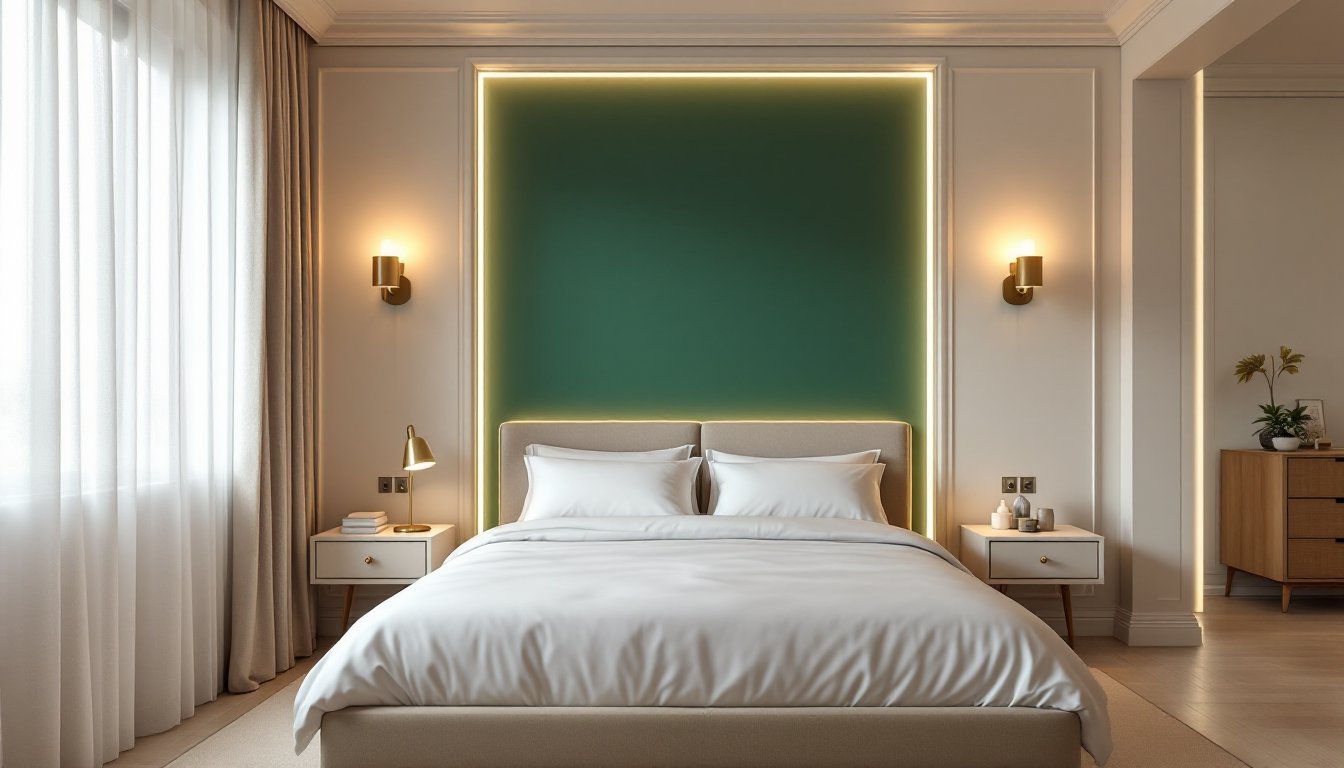
Color palette: neutral bases (white, gray, taupe, soft black) with carefully chosen accent colors, deep jewel tones, warm metallics, or muted jewel greens. Paint finishes matter: consider a satin or eggshell finish that feels sophisticated compared to flat or glossy options.
Furniture is statement-making. An upholstered platform bed with quality fabric (velvet, linen, or performance fabrics), a sleek nightstand with clean lines, and a statement lighting fixture anchor the room. Leather accents (a bench, chair, or ottoman) add luxury. Expect to invest in a quality bed frame, it’s the room’s centerpiece and where you spend hours daily.
Materials signal refinement. Marble or glass surfaces on nightstands, brass or brushed metal hardware, and quality wood (walnut, oak, or cherry) create an elevated feel. Textiles are high-thread-count linens, cashmere throws, and plush rugs. A single large-scale artwork or a curated gallery wall adds visual interest without clutter.
Lighting is layered: recessed ceiling lights, a sculptural pendant or chandelier, bedside lamps with metal bases, and perhaps a dimmer switch for ambiance. Window treatments are refined, linen drapes in neutral tones or custom roller shades that disappear when raised.
Storage is concealed or beautifully integrated. Built-in wardrobes, concealed shelving, or minimalist dressers keep the visual field clean. The overall effect is calm, intentional, and distinctly upscale.
Choosing Your Perfect Bedroom Aesthetic
Selecting an aesthetic requires honest assessment of your lifestyle, natural light, and budget. Begin by gathering inspiration: Save images from Decoist and Domino, create a Pinterest board, or photograph spaces that resonate with you. Look for recurring colors, materials, and moods across your selections.
Consider practicality. Minimalist bedrooms demand discipline and ongoing organization, they suit tidy people. Boho thrives with regular thrifting and layering. Scandinavian demands good light (problematic in dark climates). Moody maximalism is bold and may feel heavy if your room lacks square footage. Coastal works better near water or in warm regions. Modern luxury requires investment in quality pieces upfront.
Assess your room’s architecture. High ceilings support moody or modern luxury aesthetics: small rooms benefit from minimalist or Scandinavian approaches. Natural light availability affects color choices, dark moody palettes risk feeling cave-like without supplemental lighting. Existing features (hardwood floors, built-in shelving, large windows) guide aesthetic compatibility.
Budget matters. Minimalist, Scandinavian, and coastal aesthetics scale affordably, focus spending on bedding and a quality bed frame. Boho thrives on thrifted finds. Moody maximalism and modern luxury demand investment in finishes, paint, wallpaper, and statement pieces. Set a realistic budget and prioritize: quality bed and bedding come first, then paint and wall finishes, then furniture and decor.
Start small. Paint an accent wall before committing to a full room repaint. Buy bedding and assess it in your space. Live with inspiration images for weeks before purchasing. Most importantly, choose an aesthetic that feels authentic to your personality, a space you’ll genuinely enjoy rather than one that photographs well. The best bedroom aesthetic is one that supports your rest, reflects your style, and sustains your daily life.