Table of Contents
ToggleCorner shelf ideas have evolved well beyond the simple wire racks of decades past. Today’s corner shelves serve as functional storage and design statements that define a bedroom’s personality. Whether you’re working with a tight footprint or just want to reclaim dead space, corner shelves are one of the smartest moves a homeowner can make. They’re affordable, don’t require major construction, and deliver instant visual impact. This guide covers floating shelves, decorative options, compact solutions for small bedrooms, installation fundamentals, and styling strategies to help you pick the right corner shelf approach for your space.
Key Takeaways
- Corner shelf ideas combine affordable storage with design impact—floating shelves, glass options, and wooden designs each offer distinct visual and functional benefits for any bedroom style.
- Floating corner shelves require heavy-duty brackets rated for 25–50 pounds, proper stud location, and level installation at 16–18 inches from the ceiling to ensure safety and visual appeal.
- Glass shelves (3/8-inch or 1/2-inch thickness) create an airy, modern look perfect for small bedrooms, while wood shelves deliver warmth and work in rustic, farmhouse, and transitional styles.
- In small bedrooms, install shelves higher (48–60 inches) and keep each side to 18–24 inches to avoid visual clutter and maximize the impact of dead corner space.
- Style corner shelves using the rule of three (odd-numbered groupings), mix functional and decorative items, and add warm lighting (2700K) to create intentional, inviting displays.
- DIY installation success depends on locating studs first, measuring twice, using safety equipment, and testing shelves with full weight before loading precious items.
Floating Corner Shelves For Minimalist Storage
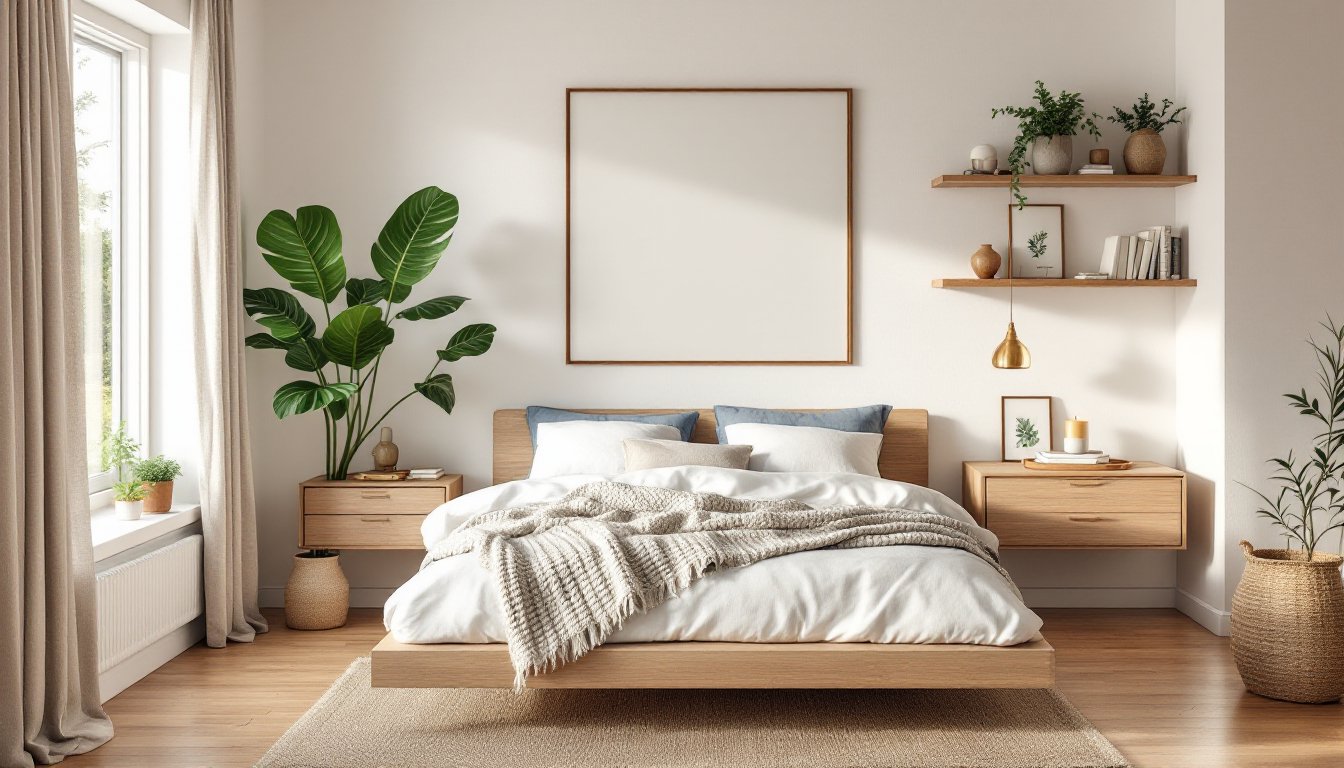
Floating shelves are the workhorse of modern bedroom storage. They attach directly to the wall with hidden brackets or a French cleat system, creating the illusion that they’re suspended in air. This minimalist approach opens up your room visually and works especially well in smaller bedrooms where every inch counts.
For installation, you’ll need a stud finder, drill, level, and wall anchors if you’re not hitting studs. Most floating shelves rely on heavy-duty toggle bolts or expansion anchors rated for the weight you plan to load. A corner floating shelf typically spans two perpendicular walls, so you’ll mount brackets on both sides for maximum stability. Each bracket should be rated for at least 25–50 pounds to handle books, alarm clocks, plants, or decorative items safely.
The beauty of floating shelves lies in their clean lines and visual lightness. They don’t collect dust on top of legs, they’re easy to wipe down, and they don’t interrupt sight lines. Install them 16–18 inches from the ceiling or higher if you prefer a more spacious feel. Always use a level during installation, even a slight tilt becomes obvious over time. If you’re mounting into drywall without studs, use quality #10 or #12 wall anchors rated for your shelf’s total weight, including contents.
Decorative Corner Shelves With Personality
Sometimes storage isn’t enough: you want your shelves to tell a story. Decorative corner shelves combine function with design flair, turning a blank corner into a focal point.
Glass Shelves For An Airy, Modern Look
Glass corner shelves create an open, uncluttered aesthetic that works beautifully in contemporary and minimalist bedrooms. The transparency makes the space feel bigger and allows light to flow through, which is especially valuable in smaller rooms. Tempered glass shelves are a must, they’re heat-resistant, stronger than regular glass, and won’t shatter easily if bumped.
When shopping for glass shelves, look for 3/8-inch or 1/2-inch thickness to avoid wobbling under weight. Check the weight rating on the brackets: glass shelves tend to be lighter than wood, so 15–30 pound ratings often suffice. Mount them at eye level or slightly below to showcase framed photos, succulents, or decorative objects. Glass can feel cold, so pair it with warm lighting or mix in wooden accents to prevent a sterile vibe.
Wooden Corner Shelves For Warmth And Tradition
Wood brings natural warmth and a timeless quality that never goes out of style. A wooden corner shelf works in rustic, farmhouse, transitional, and even industrial-inspired bedrooms. Solid wood shelves, made from oak, walnut, or pine, develop character over time and can be stained or painted to match your existing furniture.
Choose 1×10 or 1×12 nominal boards (actual dimensions are 3/4 inch thick by 9 1/4 or 11 1/4 inches wide) for a substantial feel. If you’re building your own, many woodworkers reference plans for corner shelf construction using standard 1×4 boards to keep costs low. A corner shelf cut to 24–30 inches on each side creates a balanced triangle without overpowering the corner. Always sand the surface smooth and apply a finish, polyurethane or water-based stain, to protect against dust and moisture. Wood expands and contracts with humidity, so expect minor movement over seasons: this is normal and doesn’t compromise safety if installed correctly.
Corner Shelves For Small Bedrooms
Small bedrooms demand clever space strategies. Corner shelves are one of the best tools because they activate an otherwise wasted zone without eating into floor area. A bedroom only 10×12 feet has precious little real estate, so every vertical surface counts.
For tight spaces, install shelves higher on the wall, around 48–60 inches from the floor, to avoid the feeling of clutter or weight pressing down. Keep each shelf to 18–24 inches per side so they feel intentional, not cramped. Avoid stacking multiple shelves directly above one another: instead, stagger them across the corner or place just one or two. Lightweight materials like glass or thin wood keep the visual load light.
Consider IKEA furniture modifications and creative hacks for budget-friendly options. Many budget corner shelves adapt IKEA pieces or repurposed materials into stylish solutions. A floating shelf paired with a small desk or nightstand creates a coordinated storage zone without sprawl. Don’t over-stuff small shelves, a few carefully chosen items (a reading lamp, 3–4 books, one plant) feel curated rather than cluttered.
DIY Installation Tips And Design Considerations
Installation quality separates a shelf that lasts decades from one that sags or fails. Before you drill, locate studs with a stud finder, that’s your gold standard for weight-bearing support. If studs don’t align with your corner layout, use heavy-duty hollow-wall anchors or toggle bolts rated for the total load.
Measure twice, drill once. Mark your bracket holes with a pencil, level, and tape measure, checking both horizontal and vertical alignment. Drill pilot holes slightly smaller than your screw size to prevent splitting wood or stripping threads. Use a level during final tightening, don’t rely on eyeballing it.
Safety is non-negotiable. Wear safety glasses when drilling, especially overhead work where dust falls directly. Use a dust mask if you’re drilling into drywall: inhaling drywall particles irritates lungs. Secure everything before loading items. Test the shelf with your full intended weight before filling it with precious items.
Design-wise, mount corner shelves at least 18 inches apart vertically if stacking multiple shelves. This gives you breathing room and prevents a cluttered-looking wall. Left-to-right, corner shelves work best at 24–36 inches per side: anything longer may sag without a center support. Consider the shelf’s relationship to windows, doors, and the bed, you don’t want obstructed views or items blocking natural light.
Styling Your Corner Shelves With Intention
A well-styled shelf tells a story without looking staged. Start by establishing a color palette: stick to 2–3 colors (plus neutrals) to avoid visual chaos. Alternate heights and shapes, a tall hardback book, a short sculptural object, a trailing plant, creates rhythm and interest.
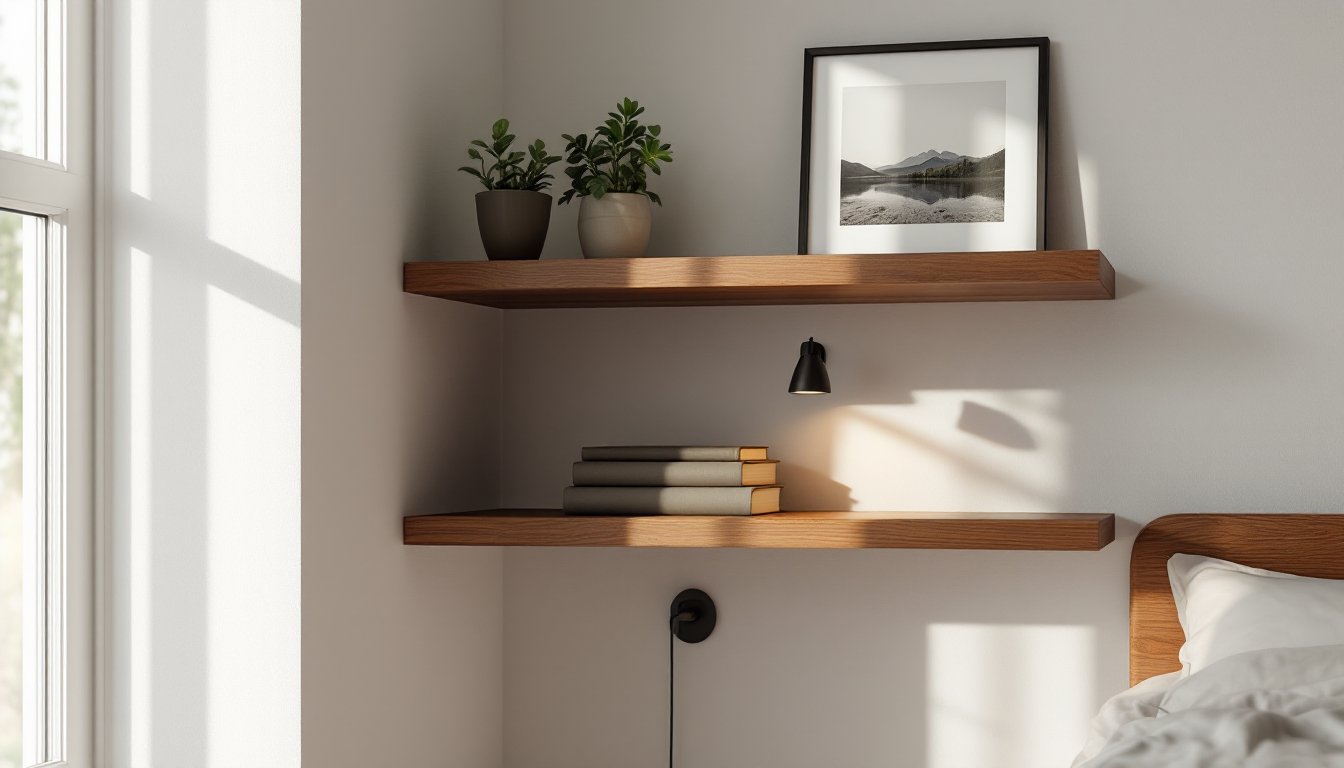
Apply the “rule of three.” Group objects in odd numbers (3, 5, or 7 items per shelf) rather than pairs: it feels more natural and less formal. Mix functional items (books, a small lamp, a charging cable hidden behind something) with decorative pieces (framed photos, a small plant, a decorative object). This balance keeps shelves from looking like a museum display.
Lighting matters more than most people realize. A small clip-on lamp or puck light mounted on the underside of the shelf above illuminates objects beautifully and adds ambiance. Warm light (2700K color temperature) feels cozier than harsh cool white: check the lamp’s specifications before buying.
For interior design ideas and home decor inspiration, research how other homeowners style corner shelves. Negative space is your friend, leave some shelf bare so your items breathe. Refresh seasonally by rotating books, swapping artwork, or adding seasonal plants. A corner shelf that changes with your mood keeps your bedroom feeling fresh without major renovation.