Table of Contents
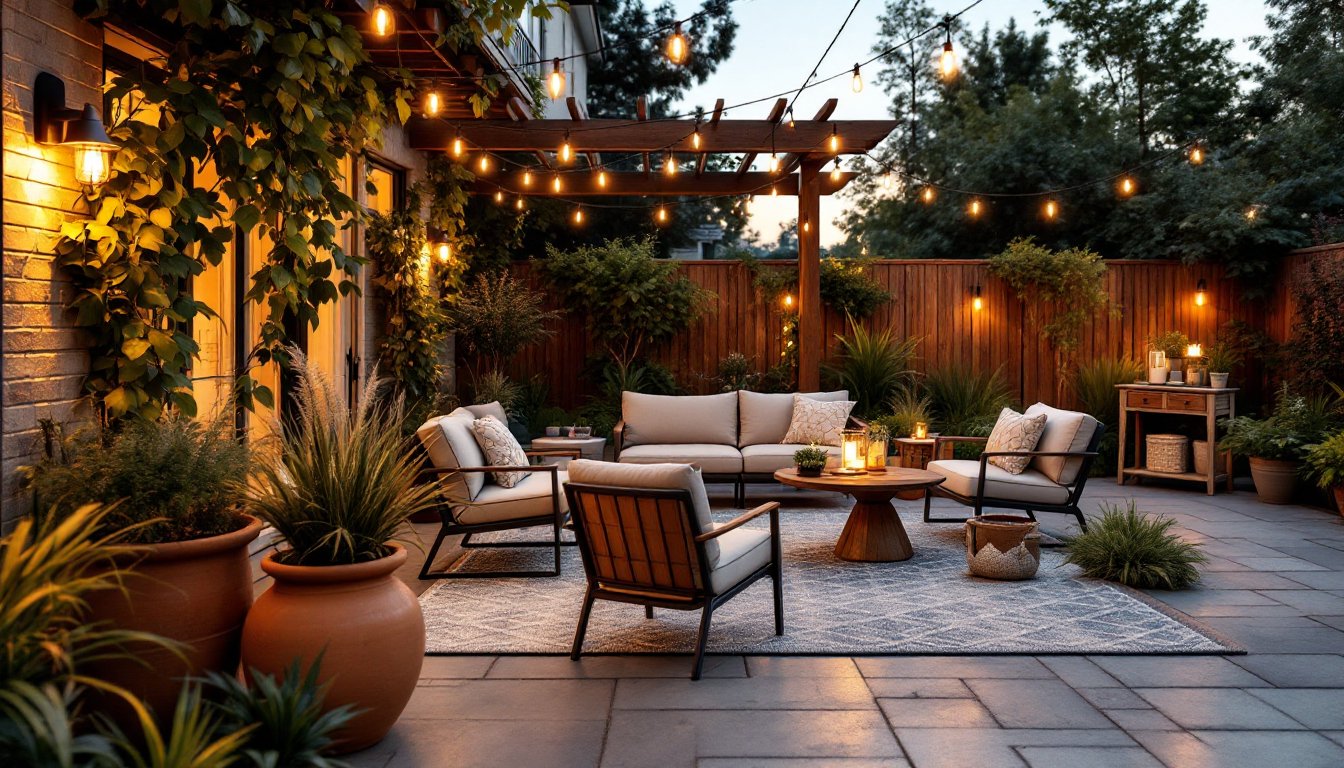
ToggleYour back patio doesn’t have to be a lonely concrete slab or overgrown afterthought. With thoughtful planning and some elbow grease, it can become the most-used room in your home, a place where you actually spend summer evenings instead of just mowing and forgetting about it. The trick isn’t expensive renovations: it’s layering functional elements and personal touches that make the space feel intentional. Whether you’ve got a small urban balcony or a sprawling yard, these back patio decor ideas balance practicality with comfort, giving you a retreat you’ll want to live in.
Key Takeaways
- Back patio decor ideas succeed by layering functional elements like lighting, seating, and greenery rather than relying on expensive renovations alone.
- Ambient lighting with multiple layers—base, task, and accent fixtures using warm 2700K bulbs—extends usable hours and sets the mood without harsh glare.
- Strategic seating arrangements in conversation areas with 20–22 inches of seat depth and grouped at angles encourage gathering and make the space feel intentional.
- Outdoor textiles in rugs, curtains, and cushions using solution-dyed acrylic fabrics add color and pattern while resisting mildew and fading.
- Year-round enjoyment requires functional upgrades like shade structures, heat sources for cooler months, and weather protection to maximize patio usage.
- Container gardens with odd-numbered groupings and vertical growing solutions transform tight spaces into lush retreats without requiring botanical expertise.
Create Ambient Lighting With Layered Outdoor Fixtures
Good outdoor lighting does two jobs: it extends your usable hours after sunset and sets the mood. Don’t make the mistake of installing one bright overhead fixture and calling it done, that’s contractor thinking, not good design.
Start with a base layer. Recessed lights mounted under your patio roof or soffit provide general illumination without the harsh, unflattering glare of a bare bulb. If you don’t have an existing structure, low-level path lights along walkways or deck edges keep everyone from tripping while adding subtle definition to your space.
Next, add task lighting where you actually gather. A pendant fixture over a dining table or bar cart lets you see food and faces clearly. String lights (Edison-style bulbs, café lights, or modern bistro options) strung overhead create that cozy, approachable vibe without looking precious.
Finally, layer in accent lighting. Solar deck post lights, uplighting on trees or planters, or LED tape under railings add depth and make your patio feel deliberate at night. Use warm-white 2700K color temperature bulbs, cooler 4000K+ light reads as institutional.
Dimmer switches are worth the install if your patio is wired to a home circuit. You’ll adjust the mood from dinner to drinks without rewiring anything. Battery-operated LED strips and solar lights skip the electrical work entirely if you’re renting or avoiding a permit conversation.
Add Comfortable Seating and Conversation Areas
Comfort drives usage. A single lounge chair feels lonely: a grouped conversation area feels intentional. Aim for a mix: a couple of weather-resistant chairs, a bench, or a small outdoor sectional that lets people face each other instead of all staring at the same view.
Material matters here. Teak and cedar age beautifully but need annual sealing to prevent weathering (check your local climate, dry regions can get away with less maintenance). Powder-coated metal frames with outdoor cushions offer cleaner lines and survive humidity better. Resin wicker performs well in salt air and humid climates: paint it a neutral tone to avoid looking “theme park.”
Outdoor cushions take abuse: mildew, UV fading, water retention. Look for solution-dyed acrylic fabrics (Sunbrella is the standard) rather than vinyl-coated cotton. They resist fading, shed water, and survive washings. Store cushions in a waterproof bin over winter, or invest in a patio furniture cover to keep the salt spray and mold spores off.
Don’t skimp on seat depth. A chair with only 18 inches of seat depth leaves your legs dangling awkwardly. 20 to 22 inches is comfortable for most people. Height matters too: armrest height around 24 inches from the ground feels right next to a coffee table.
Grouping strategically means placing seats at angles or in a loose rectangle rather than a line facing the house. This forces conversation and makes the space feel less like a waiting room.
Incorporate Greenery and Container Gardens
Plants soften hardscapes and make your patio feel like a garden rather than a deck. You don’t need to be a botanist, pick plants that match your climate zone and available sun without guilt.
Large container gardens anchor a corner. A 24-inch diameter planter with a tall ornamental grass or specimen shrub creates a visual focal point. Group odd numbers of pots (three or five) at varying heights to avoid the nursery-display look. Terracotta breathes and drains well but chips in freeze-thaw cycles: glazed ceramic and resin planters work in cold climates and come in colors that complement your furniture.
Vertical growing saves space on small patios. Wall-mounted planters, trellises with climbing vines, or tiered shelving packed with herbs and flowers multiply your greenery footprint without eating square footage. Clematis, jasmine, or climbing roses soften hard lines and add fragrance, bonus points if they attract pollinators.
For low-maintenance living, lean into perennials and shrubs suited to your zone. Boxwood, hydrangea, ornamental grasses, and evergreens work year-round and don’t demand constant deadheading or watering. Drought-tolerant sedums and lavender thrive in containers with minimal fuss if your region gets hot and dry.
Water management is critical. Containers dry out faster than ground soil, especially in heat. A soaker hose on a timer or a self-watering planter system keeps plants alive without daily babysitting. Mulch the soil surface to retain moisture and suppress weeds, a 2-inch layer of bark or compost does the job.
Define Your Space With Outdoor Rugs and Hardscaping
An outdoor rug grounds a seating area visually and defines where your “room” actually is. Without one, furniture scattered on bare concrete feels temporary. A 5×7-foot or 6×9-foot rug under your main gathering spot ties things together and softens the hard surface underfoot.
Use rugs made for outdoors: polypropylene, solution-dyed acrylic, or synthetic sisal resist mildew and fading. Natural jute and cotton look beautiful but rot in damp shade. Bold patterns and warmer tones hide dirt and sun damage better than pale solids. A8-foot round rug works well for a circular dining setup and adds softness to angular spaces.
Hardscaping refers to your non-plant elements: pavers, decking, raised beds, and edging that give the patio structure. If you’re starting from bare dirt, lay a landscape fabric base, then install permeable pavers in a running bond or herringbone pattern for visual interest. Gravel or decomposed granite creates casual walkways between areas without the cost of full paving.
Raised planter beds (build them from 2×12 pressure-treated lumber or composite boards) define zones and let you control soil quality for vegetables or specialty plants. They also make weeding and watering easier than ground-level planting. Edge your patio beds with landscape trim or metal edging to prevent soil creep and create clean sight lines.
A simple concrete slab works, but staining and sealing it (look for non-slip finishes) refreshes it without replacement. Pressure washing twice a year keeps mold at bay. Most homeowners don’t need a permit for cosmetic hardscape work, but check your local codes if you’re near property lines or digging deep.
Bring Color and Pattern Through Outdoor Textiles
Curtains, throw blankets, and cushion covers let you experiment with color and pattern without permanent commitment. Outdoor-grade textiles handle sun and moisture, don’t bring your interior linens outside expecting them to survive.
Sheer outdoor curtains hung from a pergola frame or eye bolts soften afternoon glare and add romantic layering without blocking the view entirely. They’re also practical: UV-blocking fabric reduces heat and sun damage to your furniture. Linen-look synthetics drape better than stiff polyester. Grommet-top panels hook onto a rod quickly: tie a length of rope if you’re avoiding installation.
Throw pillows and blankets add personality. Mix solid accent colors with one or two bold patterns, a geometric pillow next to a striped throw keeps things cohesive without visual chaos. Texture matters: a chunky knit blanket feels different (better, honestly) than a slick outdoor pillow cover. Rotate textiles seasonally to keep them fresh and extend their lifespan. Store in a waterproof bin from October through April if you’re in a wet climate.
Table linens for outdoor dining surprise people. A weather-resistant tablecloth (yes, they exist) layers color and pattern while protecting the table surface. Weighted corners or clip-down options keep wind from turning it into a sail. Napkins in coordinating colors signal that you’ve thought about the whole experience, not just thrown people at the patio.
Recent studies on backyard design show that layered textures and warm color palettes encourage longer gatherings. Don’t overthink it: pick two to three colors and repeat them across furniture, textiles, and accents. Cohesion beats complexity every time.
Add Functional Upgrades for Year-Round Enjoyment
A patio used only three months a year isn’t earning its place. Smart upgrades extend the season and increase daily use.
Heat sources matter when temperatures drop. A fire table or outdoor fireplace creates gathering point and radiant warmth through shoulder seasons (spring and fall), extending usability without heater-grade equipment. Make sure you’re upwind of seating areas so smoke doesn’t linger. Check local fire codes, many jurisdictions require clearance from structures and prohibit open flames in certain zoning. Propane heaters or heat lamps work if open flame isn’t an option, though they’re less atmospheric.
Shade structures protect you from UV and provide relief during peak heat hours. A pergola (open-beam structure) allows filtered sunlight and supports climbing vines, not fully shaded but more pleasant than full sun. A shade sail (tensioned fabric stretched between posts or trees) blocks up to 90% of UV and installs quickly without building permits in most cases. A retractable awning gives flexibility: open it on cool days, close it for afternoon heat.
Outdoor kitchens don’t mean a full build-out. A portable grill, a prep table with storage underneath, and a cooler handle food prep for gatherings. If you’re ready to get serious, built-in countertops, a sink with hot water (requires plumbing runs, so budget accordingly), and a permanent grill create a true outdoor cooking station. These typically need a permit because gas lines, electrical, and drainage are involved.
Weather protection extends seasonal use. A patio cover or roof overhang (usually 8 to 12 feet deep) keeps rain off and creates a cozy feeling. It also protects furniture and textiles, meaning less maintenance. Many regions have codes governing roof pitch and setback, check before you build.
Wind breaks (like 10 easy patio upgrades from Gardenista) reduce chill and make sitting outside comfortable in cooler weather. Tall plants, decorative screens, or open-sided structures block wind without trapping it entirely.
Conclusion
Transforming your back patio isn’t about sledgehammers and building permits, most of these ideas stack layers of comfort and intention without structural changes. Start with what matters most to you: if you’re an evening gatherer, prioritize lighting. If you’re a planter, greenery comes first. The beauty of a patio is you can adjust, add, and evolve as seasons change and your needs shift. Build it slowly, test what works, and you’ll end up with a space that actually gets used instead of becoming another yard maintenance headache.