Table of Contents
ToggleA basement bedroom without windows presents a real challenge, darkness, stuffiness, and that cave-like feeling can kill the comfort factor fast. But here’s the truth: thousands of homeowners are successfully creating inviting, restful basement bedrooms by addressing three core issues: light, air, and mood. The difference between a dungeon and a sanctuary comes down to deliberate design choices rather than expensive renovations. This guide walks through practical solutions that transform any windowless basement into a bedroom that actually feels like a bedroom.
Key Takeaways
- Basement bedroom ideas without windows succeed through layered artificial lighting at multiple heights and intensities, using warm 3000K bulbs and dimmable fixtures to eliminate harsh hospital-ward lighting.
- Light, neutral wall colors with a high light reflectance value (LRV) of 60+ and a white ceiling create visual expansion and prevent a windowless room from feeling dark and oppressive.
- Controlling humidity between 30–50% with a dehumidifier and ensuring proper ventilation through ceiling fans or exhaust systems prevents mold and musty odors that undermine bedroom comfort.
- Large mirrors positioned opposite light sources and reflective surfaces like metallic accents effectively double perceived brightness and spaciousness in a basement bedroom.
- Investing in quality bedding, moisture-wicking fabrics, and organized vertical storage solutions keeps the space feeling calm and organized, counteracting the isolation of underground sleeping.
Maximize Natural Light With Strategic Lighting Design
Without windows, artificial lighting becomes everything. The goal isn’t to flood the space with a single overhead fixture, that creates hospital-ward vibes. Instead, layer multiple light sources at different heights and intensities to mimic the way natural light moves through a room.
Start with ambient lighting: recessed ceiling fixtures or a low-profile flush mount that provides baseline illumination without being harsh. Aim for 3000K color temperature (warm white), which feels more residential and sleep-friendly than the 4000K+ used in offices. Incandescent or LED bulbs rated “soft white” work well here.
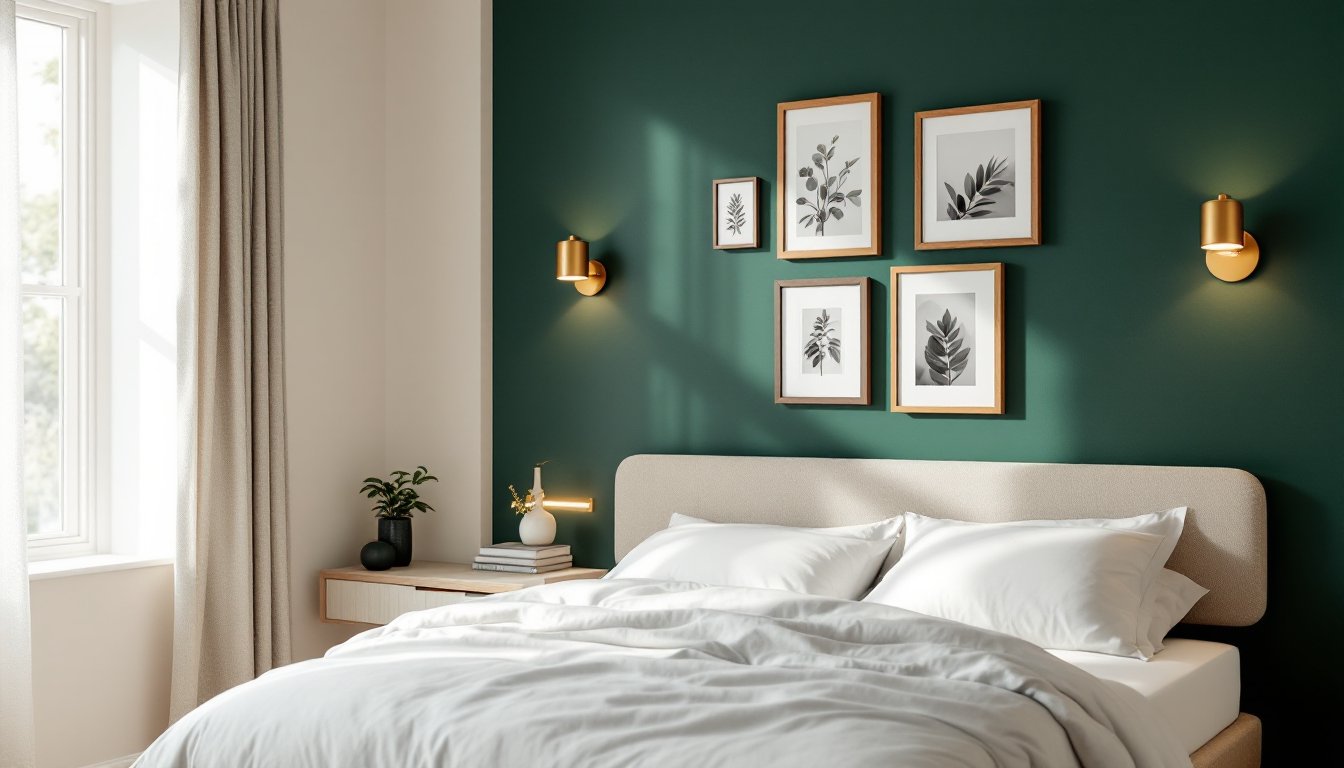
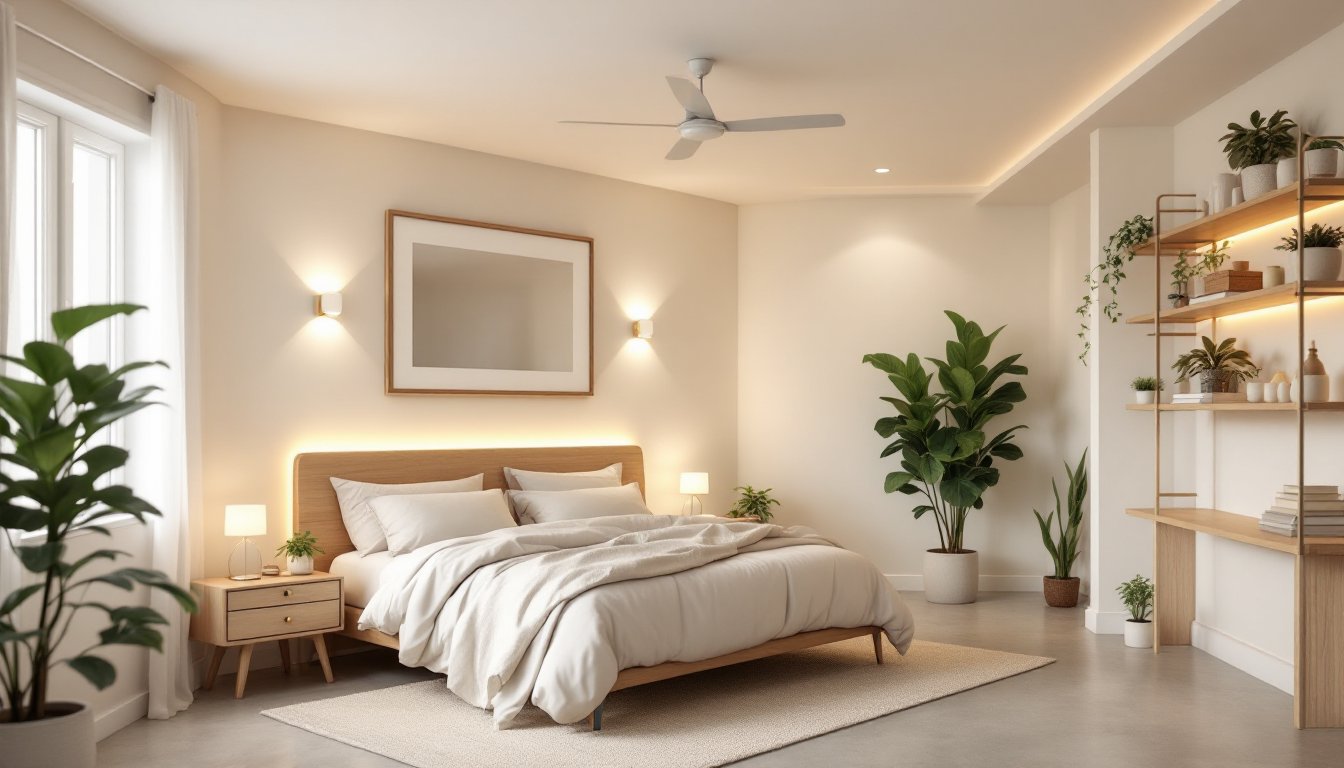
Next, add task lighting at functional zones: a reading lamp on the nightstand, wall sconces flanking the bed, or a desk lamp if the room doubles as a home office. Wall-mounted fixtures save floor space, crucial in basements where square footage is already tight. Dimmable fixtures let occupants adjust brightness for different times of day, which is critical when there’s zero natural light cues.
Layer Artificial Lighting for Ambiance and Function
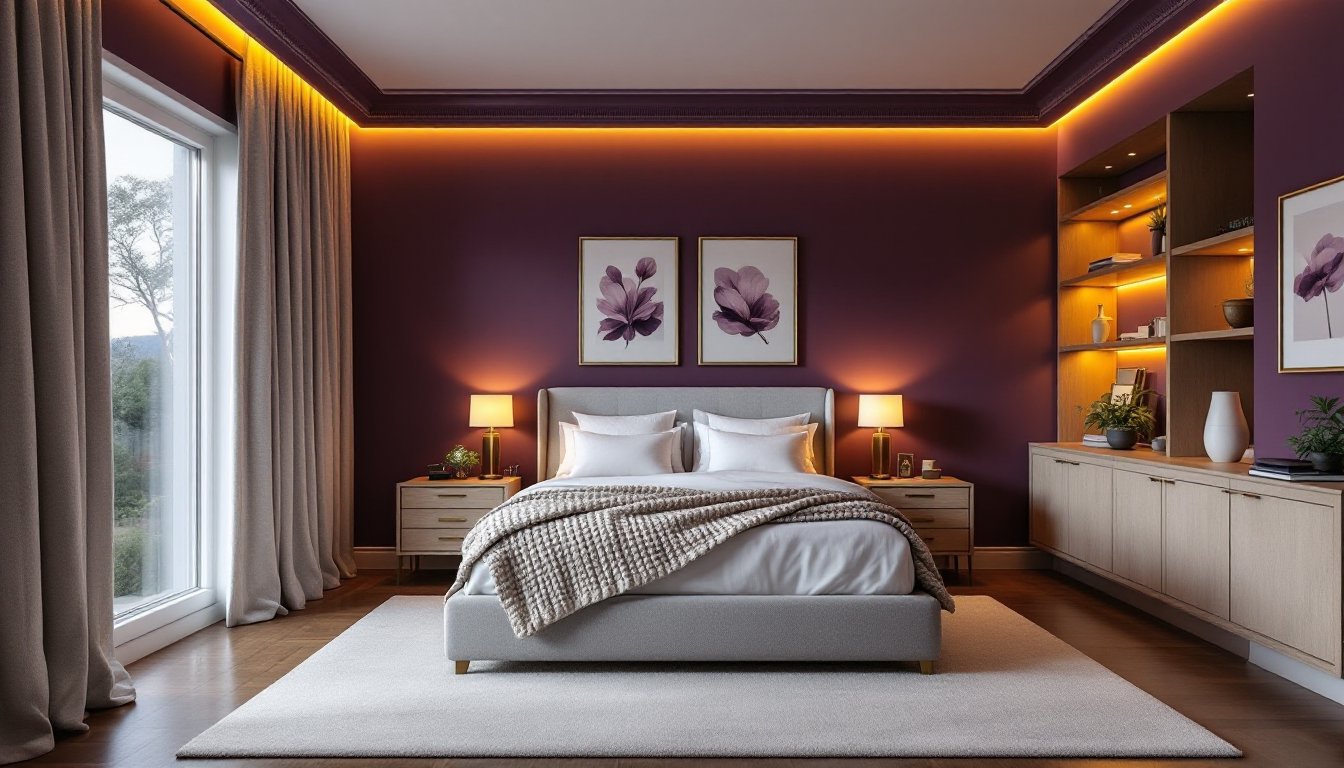
Accent lighting (LED strip lights behind a headboard, uplighting along the ceiling perimeter, or a small floor lamp in a corner) adds depth and prevents the room from feeling flat. These subtle layers of light make the space feel larger and more intentional. A remote-controlled dimmer system on overhead fixtures gives flexibility without cluttering walls with multiple switches.
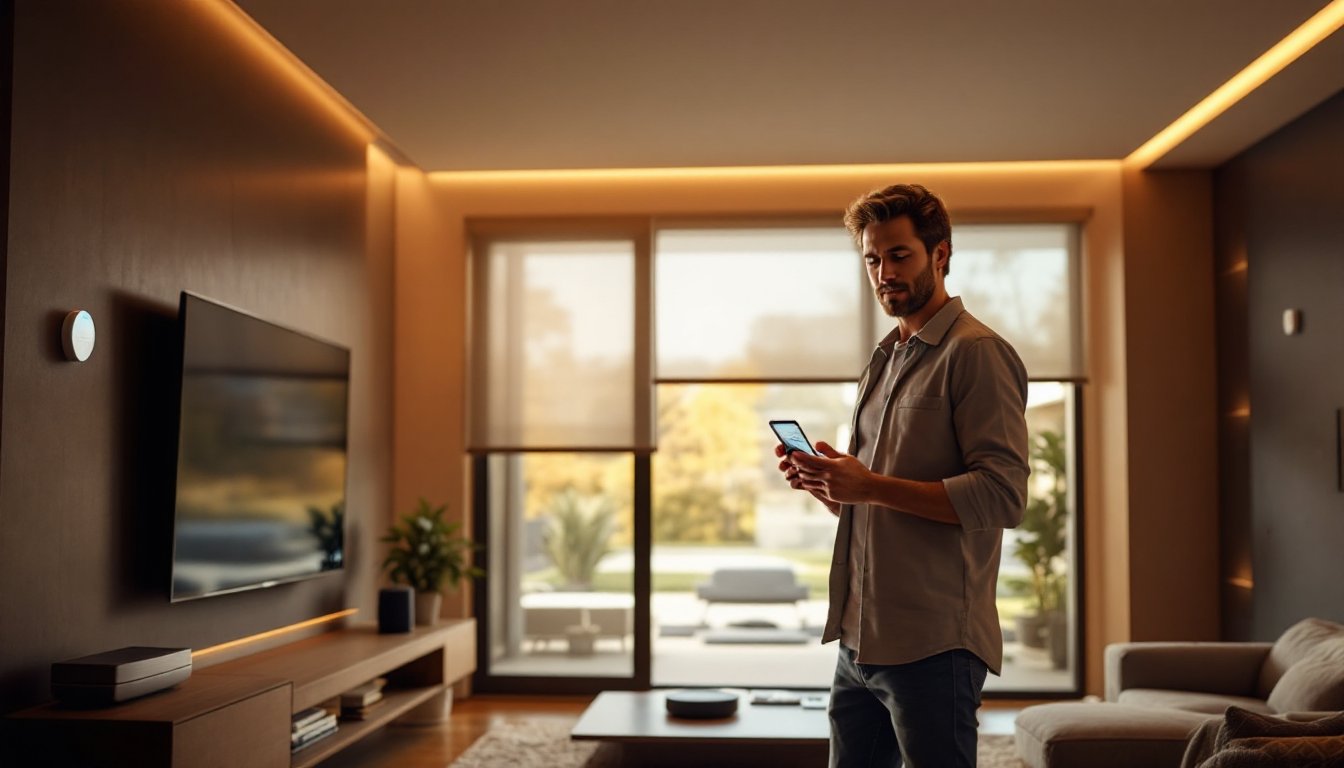
Consider installing smart bulbs (Philips Hue, LIFX, or similar) if the budget allows, they shift color temperature throughout the day, helping maintain circadian rhythm even underground. This costs more upfront but prevents the “always night” fatigue that windowless rooms cause.
Choose the Right Color Palette to Brighten Your Space
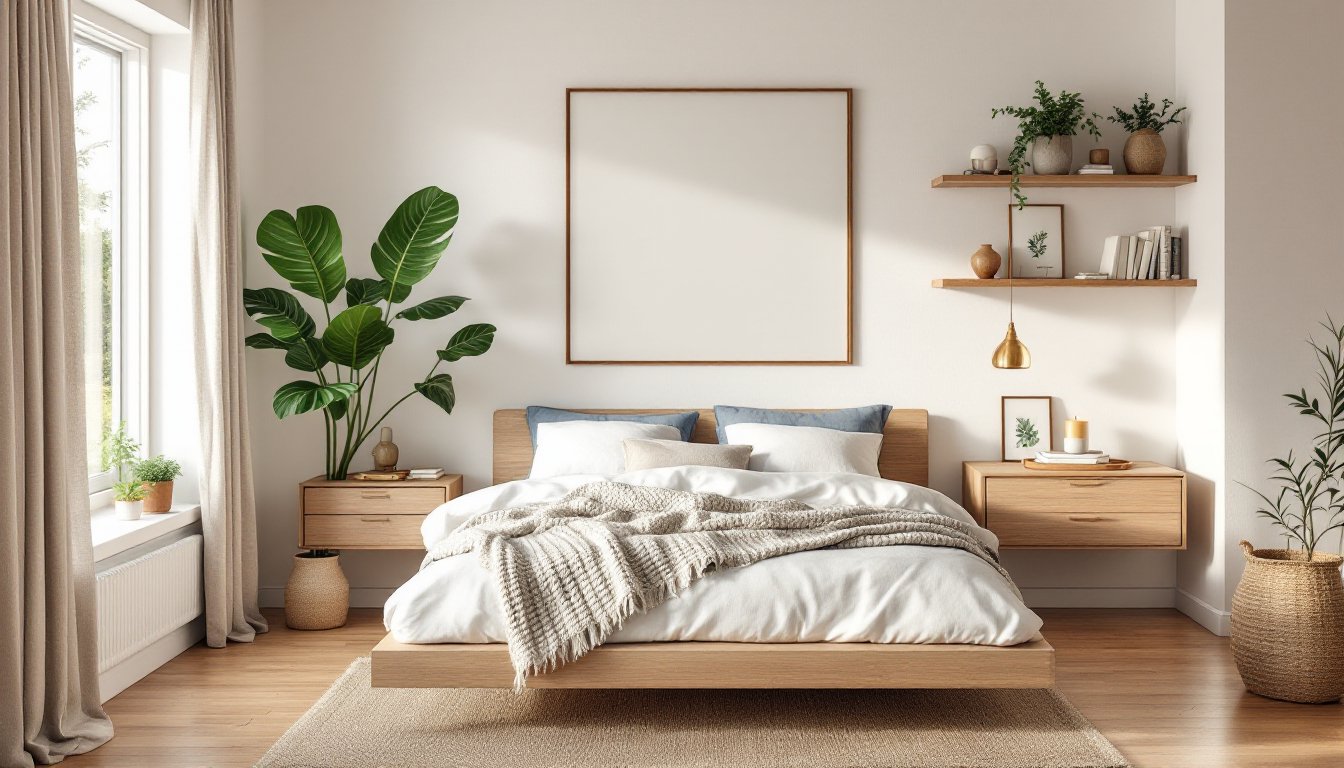
Color psychology matters more in a windowless room than anywhere else. Light, neutral tones on walls reflect what little light exists and make the space feel more open. Whites, soft grays, warm beiges, and pale blues are classic for a reason, they work.
Paint the walls in a light, matte finish (not glossy, which can feel clinical) using a color rated for high light reflectance value (LRV). An LRV of 50 or higher bounces light effectively: aim for 60+ if possible. Avoid dark accent walls in basements, they shrink the perceived space and make darkness feel heavier.
The ceiling is crucial. Many basements have exposed joists or dropped ceilings that feel low and oppressive. Paint it white or near-white to create visual lift. If ductwork or wiring is exposed, consider a light gray to blend it in rather than draw attention downward.
Fabrics and furnishings should follow the same principle: light upholstery, pale bedding, and neutral textiles keep visual weight down. Save bold accent colors for small touches, a throw pillow, artwork, or a small rug, that add personality without darkening the room. Design resources like MyDomaine offer curated color schemes specifically for low-light interiors that can inspire a cohesive palette.
Improve Air Quality and Ventilation in a Basement Room
Basements trap stale, humid air, bad news for sleep and indoor air quality. Before designing the bedroom, address moisture and circulation.
Test humidity first. Basements should stay between 30–50% relative humidity. If it’s creeping above 60%, a dehumidifier is non-negotiable. Running one continuously or on a timer prevents mold and musty smells that ruin any design. Some modern units are quiet enough for bedroom use: others belong in a utility corner with ducting.
Next, improve ventilation. If the basement has existing HVAC returns and supplies, ensure they reach the bedroom area. Many basements are afterthoughts in ductwork layout. If the room lacks adequate air flow, a ceiling fan helps circulate stale air without adding noise, choose a low-profile model with a reversible motor so it can push warm air down in winter and pull it up in summer.
Crack a window in an adjacent basement room, install a small exhaust fan vented to the outside, or bring in fresh air through an ERV (energy recovery ventilator) if moisture and efficiency matter. A simple bathroom exhaust fan on a timer pulling air from the bedroom and venting outside costs under $200 and makes a real difference.
Open the door to the main basement or upper floors regularly to break up stagnant pockets. Houseplants (snake plants, pothos, peace lilies) help filter air, though they’re not a replacement for mechanical ventilation.
Add Visual Depth With Mirrors and Reflective Surfaces
Mirrors are a windowless room’s best friend. A large mirror opposite a light source bounces that light around, making the room feel twice as big and twice as bright. Mount a full-length mirror on one wall or a series of smaller mirrors at varying heights to create visual interest while expanding sightlines.
Framed mirrors in styles matching the bedroom’s aesthetic (wood frame, metal, minimalist black) work better than bare glass. They anchor the space and feel intentional rather than like a quick fix. Position mirrors to reflect artificial light sources, artwork, or lighter-colored fabrics, avoid reflecting dark corners or cluttered areas.
Beyond mirrors, introduce other reflective surfaces: a glossy metal bed frame, light wood furniture with natural sheen, or artwork with glass fronts. Metallic accents (brass, chrome, or rose gold) catch and redistribute light without looking gaudy. A shiny nightstand or bookshelf hardware can subtly brighten a corner.
Wall art with lighter backgrounds and reflective frames multiplies this effect. Hang basement bedroom design inspiration from design galleries to see how professional designers layer these elements. Avoid heavy wood paneling, dark fabric wall hangings, or matte black finishes that absorb light rather than reflect it.
Select Furniture and Decor That Maximize Comfort
Furniture layout in a basement bedroom should prioritize openness and airflow. Avoid pushing everything against walls, it makes small spaces feel cramped. Instead, float the bed slightly away from the wall or position it to create a cozy reading nook. Fewer, larger pieces beat a cluttered collection of small items.
Choose a quality mattress and bedding, this is the one splurge that pays dividends. A supportive mattress prevents the “cave sleeping” feeling, and breathable, moisture-wicking bedding (cotton or performance fabrics) fights basement humidity. Invest in a good pillow and high thread-count sheets: people sleeping underground already feel separated from the world, so comfort matters more.
Add a rug to define the space and soften the hard concrete-to-tile feeling common in basements. A light-colored rug (cream, gray, pale blue) reflects light and warmth. Avoid dark rugs, which visually anchor you to the floor.
Incorporate greenery, a few potted plants in corners or on shelves add life and improve air quality. Choose low-light tolerant varieties (pothos, snake plant, philodendron) since natural light is absent. Fresh flowers or a simple vase on the nightstand adds a subtle touch of liveliness.
Incorporate Storage Solutions to Keep the Space Organized
Windowless bedrooms often feel cramped because clutter compounds the darkness. Built-in shelving, under-bed storage, and wall-mounted organizers keep belongings out of sight without taking floor space. Baskets and bins in light colors store items while maintaining the airy aesthetic.
Closet space is usually tight in basements, so vertical solutions are key: hanging organizers, tiered shelving, and hooks maximize storage. A bedroom that looks organized automatically feels larger and more restful. Poor storage forces items onto surfaces, making the room feel chaotic and darker than it actually is. Professional designers and home renovation experts at Young House Love emphasize that organization directly impacts how a space feels.