Table of Contents
ToggleImagine walking into your home and having it greet you like a loyal puppy. Lights flicker on, your favorite playlist starts, and the thermostat adjusts to the perfect temperature—all without lifting a finger. Sounds like magic, right? Well, it’s not. With do-it-yourself home automation, turning your house into a smart haven is easier than you think.
Overview Of Do It Yourself Home Automation
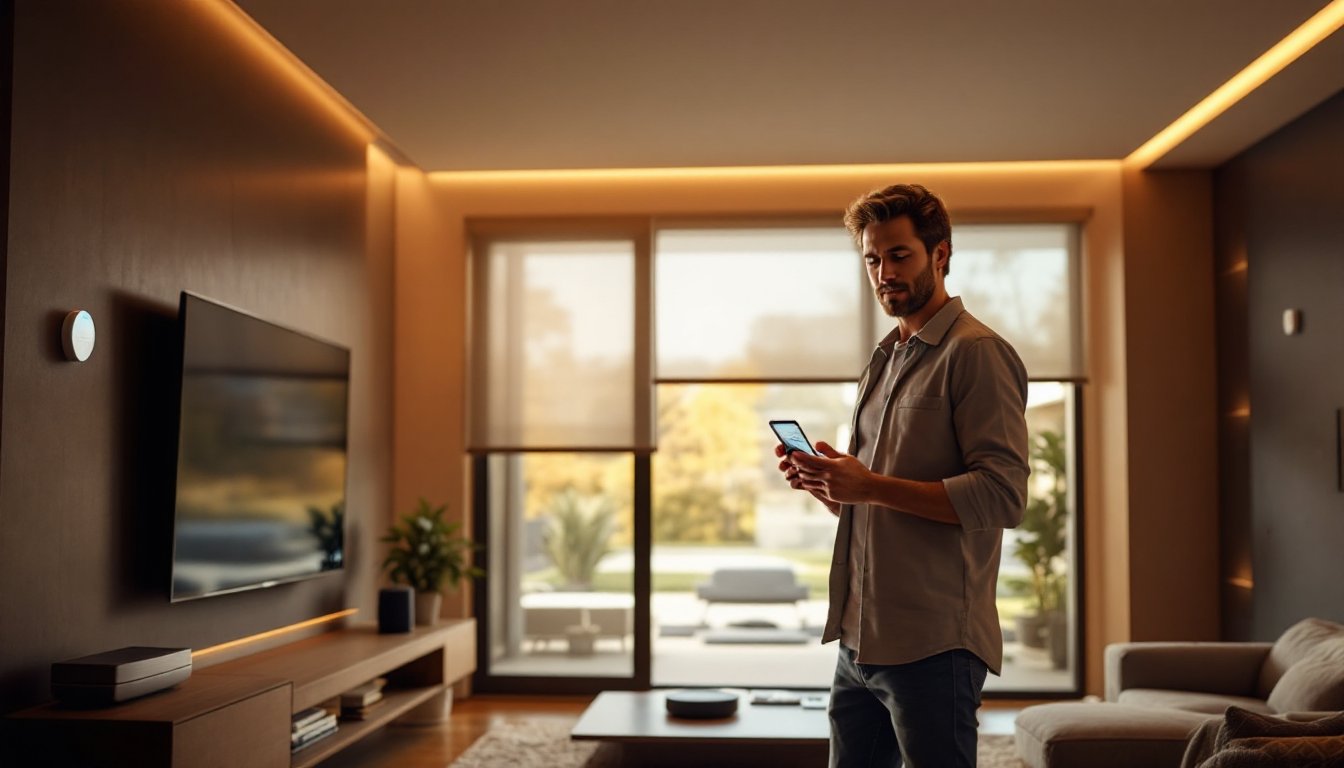
Do it yourself home automation enables individuals to enhance their living spaces with smart technology. It allows homeowners to control lights, thermostats, security systems, and entertainment devices through a centralized platform. Various tools and devices, including smart bulbs and home hubs, simplify this integration.
Achieving automated systems involves choosing compatible devices that communicate seamlessly. Products like smart plugs, sensors, and cameras play a significant role in setting up an efficient system. Each component contributes to creating a responsive environment tailored to individual needs.
Programming the devices can offer customization options, enabling users to set schedules or trigger actions based on specific events. For instance, lights might dim when a movie starts, or thermostats can adjust based on occupancy. These scenarios improve comfort and convenience.
Installation of DIY systems often requires minimal technical skills. Manufacturers typically provide user-friendly apps and detailed instructions. These resources ensure that even novices can confidently set up their systems without professional assistance.
Costs associated with DIY automation can vary significantly. Budget-friendly options exist, allowing homeowners to start small and expand over time. Investing in smart technology leads to potential energy savings and enhanced security.
Community forums and online resources support DIY home automation endeavors. Individuals often share tips, troubleshooting advice, and innovative uses for automation technology. Leveraging these networks fosters collaboration and encourages creativity in home customization.
Incorporating do it yourself home automation dramatically changes daily living experiences, promoting efficiency and technological engagement.
Benefits Of Do It Yourself Home Automation
DIY home automation offers a variety of benefits that enhance both comfort and efficiency in living spaces. Cost savings and personalization play significant roles in making these systems appealing.
Cost Savings
Cost efficiency becomes evident as homeowners implement DIY home automation. Individuals can select budget-friendly devices, allowing gradual system expansion over time. Smart technology reduces energy use, which translates to lower utility bills. For example, programmable thermostats adjust heating and cooling based on occupancy patterns, maximizing efficiency and minimizing waste. Various online resources detail ways to optimize existing appliances, encouraging further savings without costly upgrades. Assistance from community forums can enhance understanding, offering shared knowledge on affordable solutions.
Personalization
Personalization remains at the core of DIY home automation. Custom programming allows users to tailor experiences that suit their lifestyles. For instance, it’s possible to create specific scenes, such as dimming lights for movie nights or adjusting ambient temperatures for comfort. Integration of diverse devices ensures that the system caters to individual preferences, enhancing convenience. Users can also modify alerts and notifications based on their needs. Engaging with community forums fosters creativity, leading to innovative setups that reflect personal tastes and lifestyles.
Getting Started With Home Automation
Starting a home automation project requires a clear understanding of specific needs and the right devices. Identifying individual priorities makes the process smoother and more effective.
Assessing Your Needs
Evaluate daily routines and which areas of your home can benefit most. Consider practical applications like safety, convenience, and energy efficiency. Homeowners often prioritize controlling lights, thermostats, and security systems. Ask yourself which features provide the most value. For instance, automating the lighting in a home office enhances productivity while reducing energy consumption. Monitoring energy usage through smart plugs allows for informed decisions on device operation. Gathering this information helps create a customized automation plan.
Choosing The Right Devices
Selecting compatible devices plays a critical role in successful home automation. Smart plugs, motion sensors, and programmable thermostats represent popular options. Prioritize devices that integrate seamlessly with existing systems for a cohesive experience. Research brands known for reliability and user-friendliness. Look for products with robust support and resources available online. Ensuring that devices work together reduces compatibility issues, leading to smoother operation. User reviews often highlight the ease of setup and integration, guiding buyers to make informed decisions without surprise complications.
Popular Do It Yourself Home Automation Projects
DIY home automation projects offer practical solutions for enhancing everyday living. These projects can increase comfort, security, and energy efficiency, making them appealing to homeowners.
Smart Lighting
Smart lighting systems provide customizable and energy-efficient options for illuminating homes. Homeowners can control lights remotely using smartphone apps, enabling them to turn on or off lights even when away. Dimming capabilities create the perfect ambiance for various activities, such as movie nights or dinner parties. Integrating motion sensors ensures lights activate automatically when someone enters a room, reducing energy waste. Purchasing smart bulbs and switches from reputable brands guarantees compatibility with existing setups. Additionally, scheduling lights to turn on or off at specific times enhances security by simulating occupancy, deterring potential intruders.
Home Security Systems
Home security systems significantly enhance safety and peace of mind for homeowners. Individuals can install smart cameras at entry points to monitor property in real time. Door sensors alert homeowners when doors and windows open, helping to identify breaches. Smart doorbells with video capabilities enable two-way communication, allowing users to see and speak with visitors remotely. Incorporating motion-activated security lights helps illuminate areas around the home, increasing visibility at night. Moreover, utilizing a dedicated app centralizes security management, creating a seamless user experience. Finally, engaging with community forums can provide insights into additional features and best practices for maximizing home security.
Challenges And Considerations
DIY home automation presents various challenges that individuals should consider. Those interested in transforming their spaces must navigate technical requirements and device compatibility.
Technical Skills Required
Basic technical skills facilitate successful home automation projects. Individuals should understand how to connect devices to a Wi-Fi network. Familiarity with app interfaces for controlling smart devices aids in the setup process. Learning to troubleshoot common issues becomes beneficial as users encounter challenges. More advanced setups might require programming knowledge for customized functions. Engaging with community forums provides additional support and knowledge-sharing opportunities.
Compatibility Issues
Compatibility among devices is crucial for an effective automation system. Not all smart devices communicate seamlessly. Homeowners must prioritize equipment that supports common protocols, such as Zigbee or Z-Wave. Researching product specifications prevents integration issues later on. Checking compatibility with existing platforms, like Amazon Alexa or Google Assistant, enhances user experience. Regularly updated device software also plays an essential role in maintaining functionality. Ensuring device compatibility reduces frustration and creates a smoother automation experience.
Embracing DIY home automation opens up a world of possibilities for homeowners. It empowers them to create personalized living spaces that enhance comfort and security while saving energy. With a variety of budget-friendly devices and user-friendly apps available, anyone can embark on this journey without needing extensive technical skills.
The ability to customize settings and integrate various systems not only boosts convenience but also fosters creativity in home design. As individuals explore community resources and forums, they’ll find inspiration and support to make their automation dreams a reality. By taking the first step into DIY home automation, homeowners can enjoy a smarter, more efficient lifestyle tailored to their unique needs.