Table of Contents
ToggleYour deck is often the first thing guests notice, and the last thing you want to neglect with tired, faded paint. Choosing the right deck paint color isn’t just about aesthetics: it’s about creating an outdoor space that matches your home’s personality, withstands weather, and lasts for years. Whether you’re drawn to crisp neutrals, dramatic darks, or warm earth tones, the color you pick will set the mood for everything from morning coffee to summer entertaining. This guide walks you through the best deck paint colors trending in 2026, explains why they work, and gives you practical advice for selecting and maintaining your choice.
Key Takeaways
- Deck paint colors should complement your home’s existing palette—siding, roof, trim, and landscaping—rather than clash with it, ensuring a cohesive outdoor space.
- Soft gray and neutral tones remain the most popular deck paint colors because they mask wear, pair with any design style, and require less frequent maintenance than bold hues.
- Dark colors like navy, charcoal, and forest green create modern statements but absorb heat and demand meticulous cleaning, making them better suited for shaded areas or larger decks.
- Test paint samples directly on your deck in multiple locations and lighting conditions for 2-3 days before committing, as color appearance shifts dramatically with sun and shade exposure.
- Proper surface preparation—power washing, sanding mill glaze, and filling cracks—is critical for deck paint durability; apply two thin coats rather than one thick coat and recoat every 2-3 years for lasting results.
Classic Neutral Deck Paint Colors
Why Neutrals Remain a Timeless Choice
Neutrals, soft grays, warm taupes, and crisp whites, aren’t boring: they’re strategic. A neutral deck provides a calm backdrop that lets your furniture, planters, and landscape features shine without competing for attention. They also mask dirt and minor wear better than bold colors, which means your deck looks freshly painted longer between touch-ups.
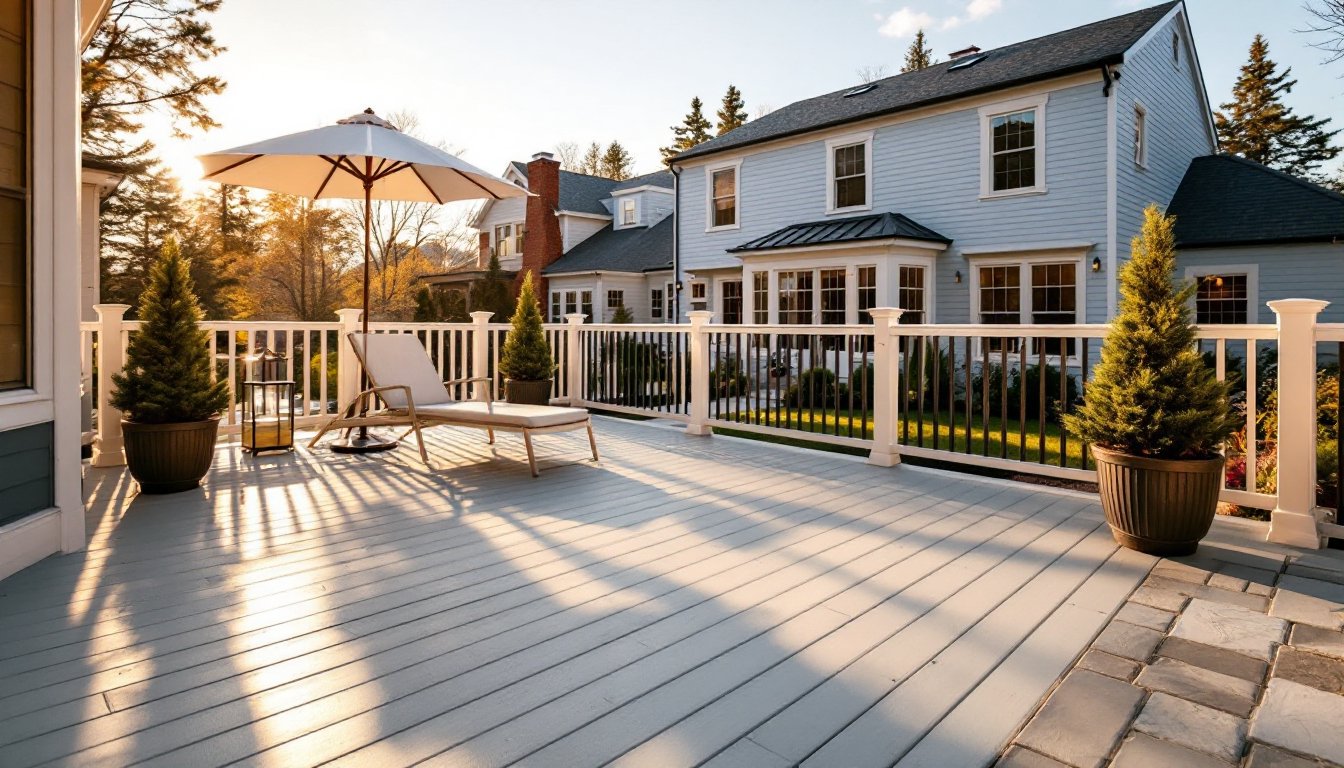
Soft gray remains the most popular choice for good reason. It complements both traditional and modern homes, pairs well with virtually any trim or siding color, and doesn’t show dust as quickly as darker shades. Think of it as the versatile jeans of deck colors, it works with almost everything.
Greige (a blend of gray and beige) leans warmer and works beautifully on decks attached to cottage-style or farmhouse homes. It’s less institutional than pure gray and feels more inviting without tipping into heavy earth tones.
Warm white or cream is ideal if you want brightness without glare. A soft, off-white deck feels airier and can make a smaller patio seem larger. But, white shows footprints and dirt more readily, so expect to sweep or rinse it more often. Pure white can also cause eye strain in full sun, opt for a warm white with slight yellow or gray undertones instead.
Charcoal and dark gray are the sophisticated cousins of lighter neutrals. They create a clean, upscale appearance and hide stains well, but they absorb heat, so your bare feet might prefer lighter colors on scorching afternoons. Dark grays work especially well on decks that get afternoon shade.
Bold and Modern Deck Paint Options
If your home leans contemporary or you simply want your outdoor space to make a statement, bold deck paint colors grab attention and express confidence. These shades work best on larger decks where they can breathe and on homes with clean architectural lines.
Deep navy blue is having a major moment. It’s bold without being jarring, feels sophisticated rather than playful, and photographs beautifully in natural light. Navy pairs excellently with white trim, brass railings, or concrete pavers. This color signals a deliberate design choice and transforms a deck into an outdoor “room” rather than just a platform.
Forest green connects your deck to nature while maintaining a modern edge. It’s less expected than gray or brown, yet it’s not so daring that it’ll feel dated in five years. Forest green works on decks surrounded by landscaping or those with plenty of shade, where the color glows rather than darkens the space.
Charcoal black is the ultimate modern statement, especially on composite decks where the color consistency is guaranteed. It’s dramatic, coordinates with stainless steel railings and fixtures, and creates stunning contrast with natural wood accents or light-colored outdoor furniture. But, black absorbs tremendous heat and requires meticulous maintenance, every speck of pollen shows.
Bold colors demand clean lines and thoughtful furnishings. Pair them with simple outdoor furniture and avoid patterns that compete for visual dominance. When trends guide your color choice, be prepared to refresh or repaint sooner than you would with a classic neutral.
Warm Earth Tones for Welcoming Patios
Warm earth tones invite people to relax, sit down, and stay awhile. These colors draw from nature, sandy browns, rust, warm ochres, and terracotta, and work wonderfully on decks that are viewed from inside the home or that frame gathering spaces.
Warm brown or medium tan feels organic and pairs beautifully with both wood elements and stone features. A warm brown deck suggests comfort and approachability, making it ideal for family homes with kids and pets. The color forgives the everyday wear and tear of an active household while maintaining a polished appearance. Many mobile home paint ideas showcase how warm earth tones create cohesion across exterior spaces, and the same principle applies to traditional decks.
Rust or burnt orange is having a revival in cottage and bohemian-inspired homes. This warm, energetic color energizes without overwhelming and looks especially striking on decks with stone or brick nearby. Rust works on smaller decks where a neutral might feel sterile, and it weathers gorgeously, fading slightly over time adds character rather than looking neglected.
Terracotta or clay evokes Mediterranean or Southwestern charm. It’s warm without being orange, earthy without being dull. This color pairs naturally with tile work, stucco, or clay planters and creates a cohesive palette if your home’s exterior already features these warm undertones.
Warm tones require slightly more maintenance than neutrals because they fade faster in direct sunlight, but they reward that effort with undeniable character. They’re also less likely to show algae or mildew growth, which is a practical plus in humid climates.
Cool-Toned Colors for Coastal and Contemporary Decks
Cool tones, soft blues, grays with blue undertones, sage green, and muted purples, feel refreshing and often suit homes near water or in cooler climates. These colors create visual calm and work beautifully with coastal, modern, or transitional design styles.
Soft blue or slate blue evokes a seaside retreat and pairs perfectly with white railings, brass hardware, or weathered wood accents. Blue decks feel inherently tranquil and are less common than grays or browns, giving your home subtle distinction. A muted blue (avoid primary blue, which reads as plastic or toy-like) feels sophisticated and designer-curated.
Sage green is a softer, cooler cousin of forest green. It works on decks surrounded by mature plantings and creates a nature-integrated feel. Sage reads as calming rather than bold and pairs well with limestone, concrete, or light wood tones. Consider trending inspiration from home exterior paint colors to see how professionals blend cool greens into larger color schemes.
Greige with cool undertones (gray-blue or gray-green rather than gray-beige) suits transitional homes that don’t fit neatly into a single style category. These colors feel modern yet approachable, pulling from both cool and neutral palettes.
Soft purple or lavender is daring but can work on small, intimate decks or spaces that receive filtered shade. Pair cool purples with contemporary furnishings and avoid mixing with warm earth tones. This color choice signals creativity and works especially well if your landscape or home’s interior echoes cool-toned accents.
Cool colors naturally feel less warm to the touch than dark tones and can make spaces feel slightly smaller, use them on larger decks or pair them with thoughtful spacing and lighting to prevent a cramped sensation.
How to Choose the Right Deck Paint Color for Your Home
Selecting a deck color isn’t about what’s trendy: it’s about what works for your specific home, climate, and lifestyle. Here’s how to make the decision with confidence.
Consider your home’s existing palette. Walk around your house and note your siding color, roof color, trim, and any stone or brick elements. Your deck color should echo these tones, not clash with them. If your siding is warm taupe, a cool blue deck will feel disconnected.
Factor in climate and sun exposure. Decks on the south-facing side of homes get intense, heat-generating UV exposure. Dark colors absorb that heat, while lighter colors reflect it. Conversely, north-facing decks in shade benefit from warmer colors that don’t feel cold or damp. High-humidity or rainy climates mask algae and mildew better with darker, warmer tones: arid climates show dirt faster on light colors.
Test samples before committing. Paint large swatches (at least 2 by 2 feet) directly on your deck’s existing surface in multiple locations, sun and shade, morning and afternoon light. The color will shift dramatically depending on light conditions, and what looks right at the paint store may feel off in your actual space. Look at samples for 2-3 days, at different times, before making a final call.
Think about maintenance reality. Darker colors hide dirt but show water spots and require frequent cleaning. Lighter colors need more frequent sweeping but hide surface debris. Medium tones are a practical compromise. Be honest about how much upkeep you’re willing to perform.
Coordinate with your lifestyle. An active household with kids and pets thrives with forgiving, medium-toned colors that hide wear. A minimalist designer might embrace bold navy or charcoal. Frequent entertainers benefit from colors that photographs well and create an inviting backdrop for gatherings.
Design inspiration from sources like House Beautiful and Making Manzanita showcases how professional designers test colors in context before finalizing choices, a strategy any DIYer should adopt.
Painting Tips and Maintenance for Long-Lasting Results
The best deck color won’t last if the prep work and application are rushed. Most deck paint failures stem from inadequate surface preparation, not paint quality.
Prepare the surface ruthlessly. Power wash your deck to remove dirt, algae, and loose paint, don’t skip this. If your deck has mill glaze (that slick factory finish), sand it or use a chemical stripper so new paint adheres properly. Let the deck dry completely (usually 48 hours after power washing) before painting. Moisture trapped under paint will bubble and peel.
Fill gaps and cracks. Use exterior-grade caulk along seams, around railings, and in any cracks wider than 1/8 inch. This prevents water infiltration, which causes wood rot and paint failure. Allow caulk to cure fully per manufacturer instructions before painting over it.
Choose the right paint type. Deck-specific stains and paints (acrylic latex or oil-based exterior paints) bond better than regular house paint. Deck paint is formulated to flex with wood movement and withstand foot traffic. If your deck is composite, use paint rated for composite materials. Read labels carefully, “deck stain” and “deck paint” are different products with different durability profiles.
Apply thin coats. Two thin coats outperform one thick coat every time. Thick applications peel and crack as the wood underneath swells and shrinks with seasonal changes. Thin coats cure faster and adhere better. Plan on recoating every 2-3 years depending on exposure and traffic.
Use proper PPE. Wear goggles to protect against splashing and power-wash spray. Use gloves to protect skin from caustic cleaner and paint. A dust mask prevents inhalation of power-wash spray and wood particles. Ear protection is wise if you’re using a power washer for extended periods.
Don’t paint in bad weather. Apply deck paint when temperatures are between 50°F and 85°F, humidity is below 85%, and no rain is forecast for 48 hours. Cold temperatures slow curing: high humidity traps moisture in the paint film: rain washes away uncured paint entirely.
Regular maintenance extends the life of your deck color significantly. Sweep monthly, rinse occasionally with a garden hose, and recoat every 2-3 years rather than waiting for visible failure. A small annual effort prevents costly repainting.